
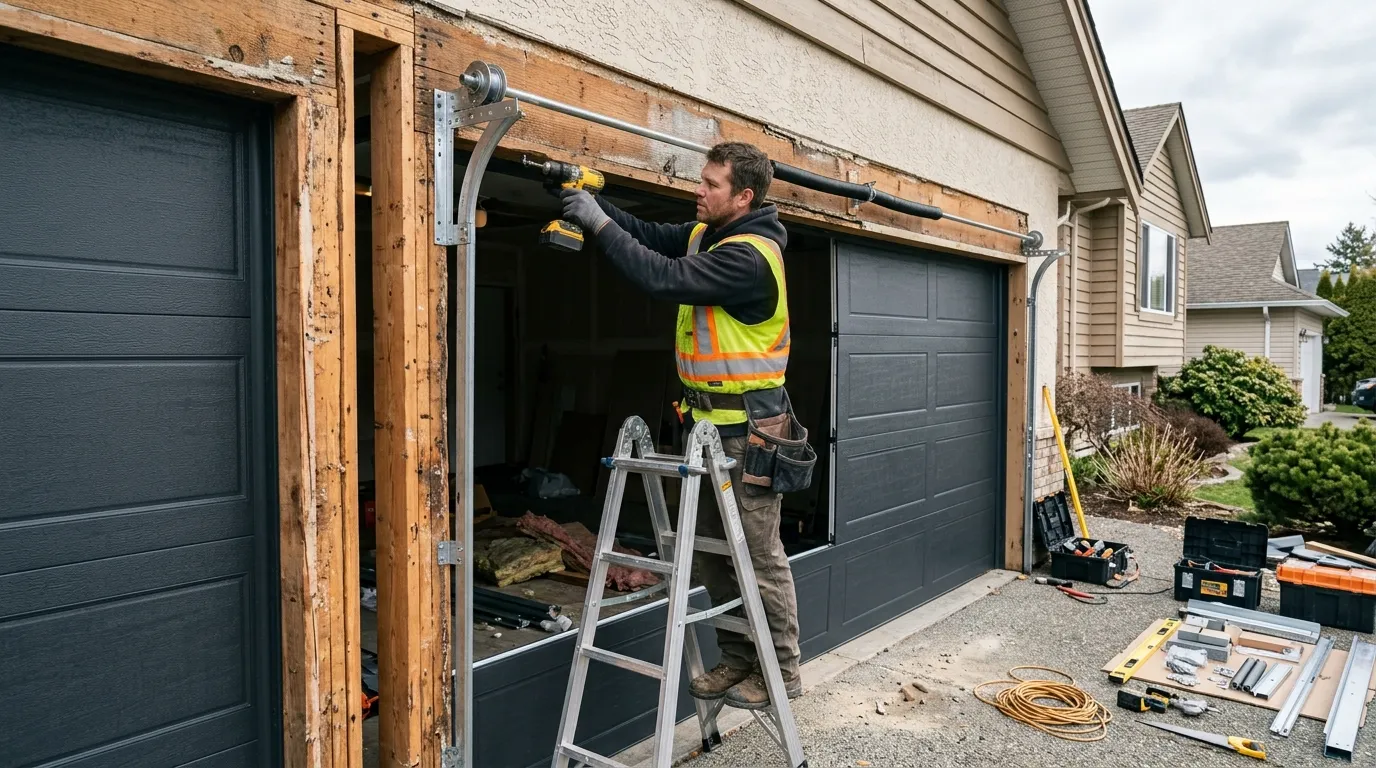
Opener Repair in Bartlett
Opener Repair for Bartlett's 1990s-Era Garage Doors
Bartlett's garage doors mostly went up around 1992, so openers are original chain-drive units near end of life. We repair them, dispatched from Palatine.
- Licensed & Insured
- Same-Area Service Calls
- Upfront Pricing
What Happens When You Call
-
1
Call or Request a Quote
Tell us what the door is doing and roughly how old the house is - that alone points us toward the likely part before a truck leaves.
-
2
On-Site Diagnosis
A tech checks the spring, cables, tracks, and opener in person and tells you plainly what is actually wrong.
-
3
Straight Price, No Surprises
You get a number before any work starts. It covers parts and labor, nothing added after the fact.
-
4
Fixed the Same Visit
Most repairs are done in one trip. If a part needs sourcing, we tell you that upfront instead of guessing.
Where This Job Goes Sideways
The doors we're pulling openers off in Bartlett are almost all steel, double-car, 16-foot units that went in when the house did - median build year here sits around 1992, which is later than a lot of the territory we cover out of Palatine. That matters because 1992-93 is right when federal law forced every new opener to ship with a photo-eye safety sensor pair. Some of the units on these doors got the sensors from day one.
Some got a retrofit kit bolted on afterward, wired a little differently than the factory would've done it. When a homeowner calls saying the opener "just hums" or "reverses halfway up," the first mistake is assuming it's the logic board. Half the time on a house this age it's a misaligned or retrofitted sensor pair, not the board, and swapping the board fixes nothing.
The other common miss: blaming the opener for what's actually a spring that's lost tension. A 30-year-old opener straining against a weak spring will burn out its gear trying to compensate, and if you replace the opener without fixing the spring, the new one fails the same way inside a year.
Booking a Visit
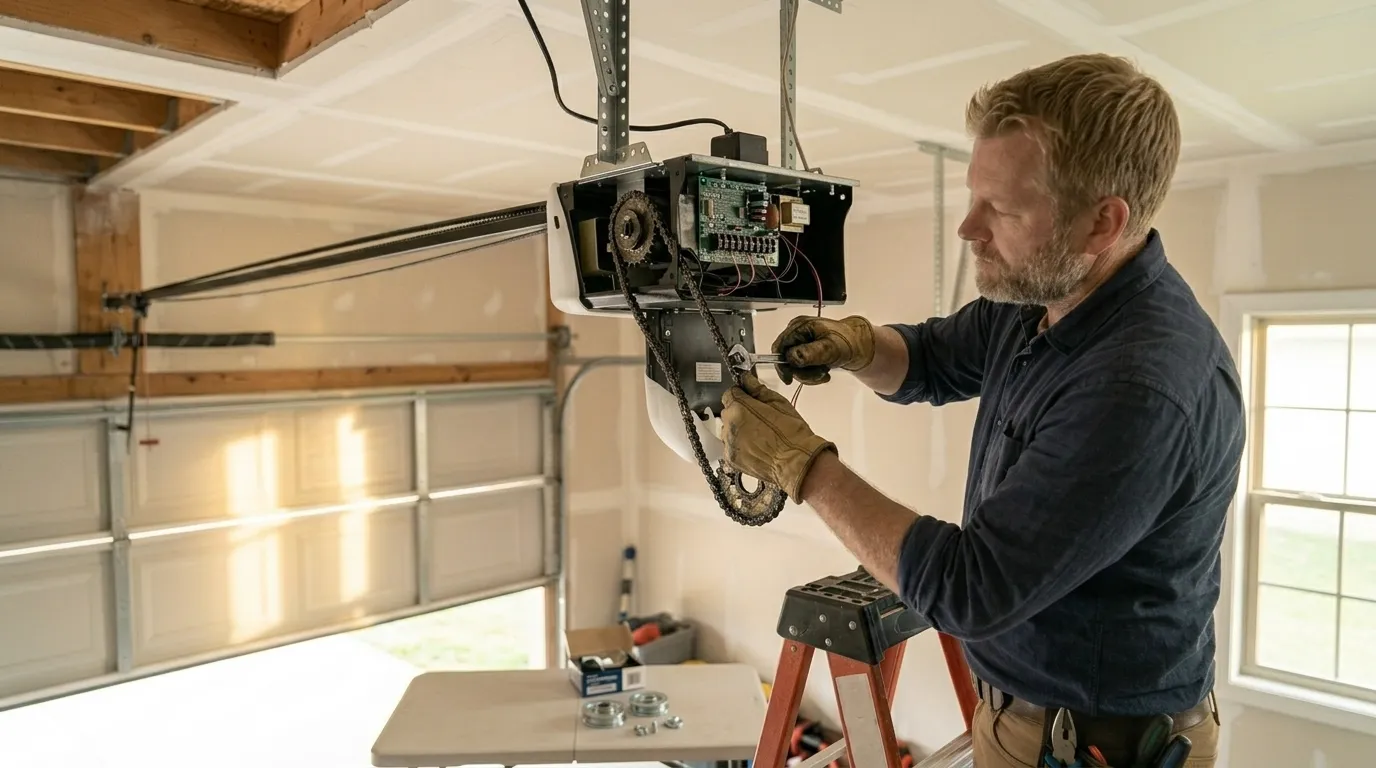
We run out of Palatine, and Bartlett sits about 13 miles out - not next door, not across the county. That's a real drive, so we don't promise a same-day slot the way we might for a call five minutes from the shop. What we can do is tell you honestly what a chain-drive opener from the early 90s usually needs before we're standing in your garage: the make and rough age of the unit, whether it grinds, hums, or just sits dead, and whether the light on the wall button blinks a code.
That gets us there with the right part on the truck instead of a second trip. If you've got the opener's brand name off the motor housing, have it ready when you call - on units this old, half of them aren't the brand anyone stocks parts for anymore, and that changes whether we're fixing it or telling you it's cheaper to replace.
Doing It Yourself
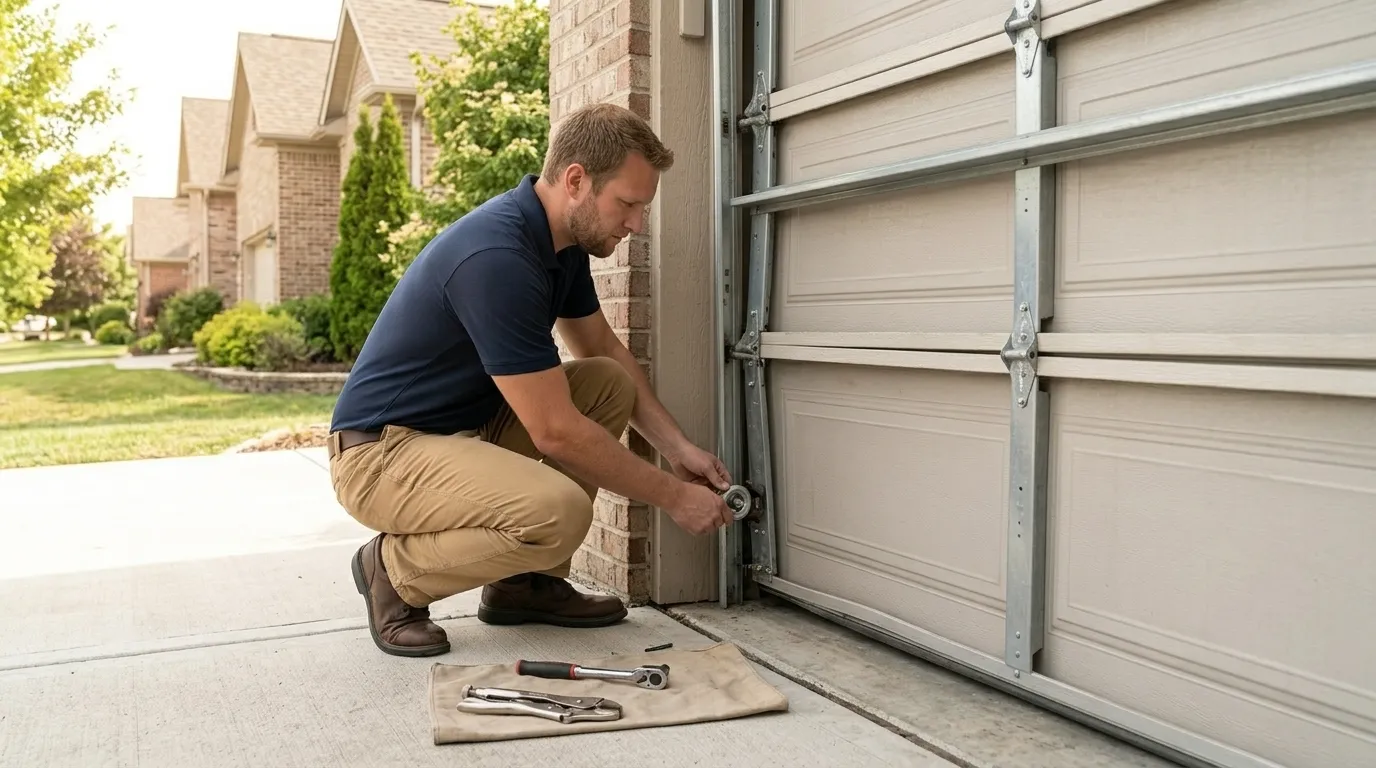
There's a short list of things worth checking before you call anyone. Unplug the opener, then pull the manual release cord and see if the door moves smoothly by hand - if it's heavy or catches, that's spring or track, not opener, and no amount of opener work fixes it. If the door moves fine by hand but the opener won't run it, check the wall switch and the photo-eye sensors at the bottom of the tracks; on a house this age the sensor wiring has often been re-taped or re-routed once already, and a knocked bracket is a five-minute fix, not a service call.
What we don't recommend touching yourself: the logic board, the drive gear, or anything inside the motor housing. Those parts are cheap to replace and expensive to guess wrong on, and on a 30-year-old unit the housing plastic is often brittle enough to crack if you force it open.
What the Fix Involves
On these Bartlett-era chain-drive openers, the repair almost always comes down to one of three things: the drive gear (a nylon part that wears out from decades of running, especially on a door heavy enough for a 16-foot double), the logic board (capacitors go first, and cold makes that worse), or the safety sensor pair, which on units old enough to predate the factory mandate were bolted on after the fact and wire differently door to door. We test the door's balance and travel limits before touching the opener itself, because an opener replaced onto an unbalanced door just repeats the failure. If the gear's shot but the board and motor test fine, we replace the gear and move on - no reason to sell a whole new unit for a part that costs a fraction of one.
Stocked Parts
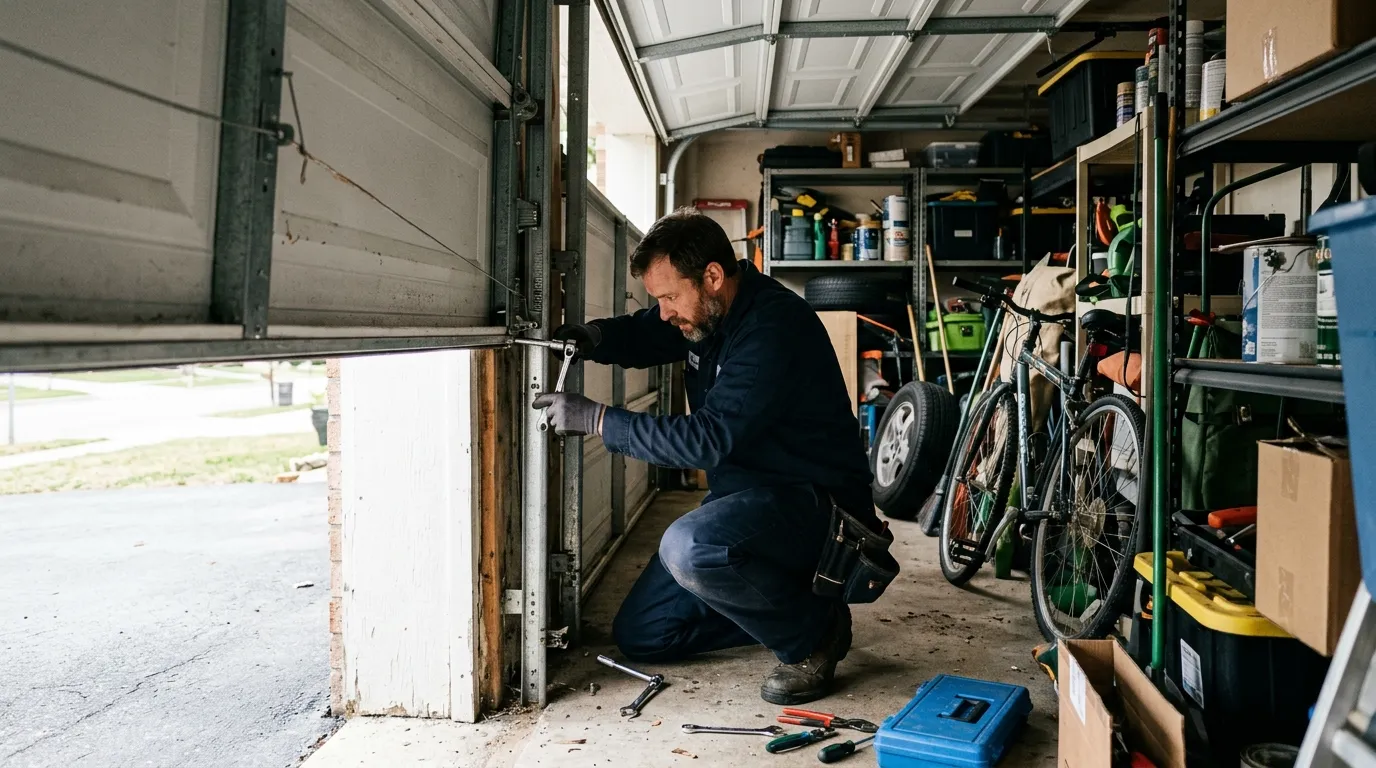
We keep drive gears, standard photo-eye sensor kits, and the common logic boards for the openers we see most in this part of the territory on the truck. What we don't always carry same-visit: boards for less common brands that stopped production years back, which some Bartlett houses still have running.
On those, we'll tell you straight whether we can order the part or whether, at 30-plus years old, replacing the whole opener is the better use of your money. That's not us pushing a sale - a board that costs most of what a new opener runs isn't worth chasing.
The Symptom
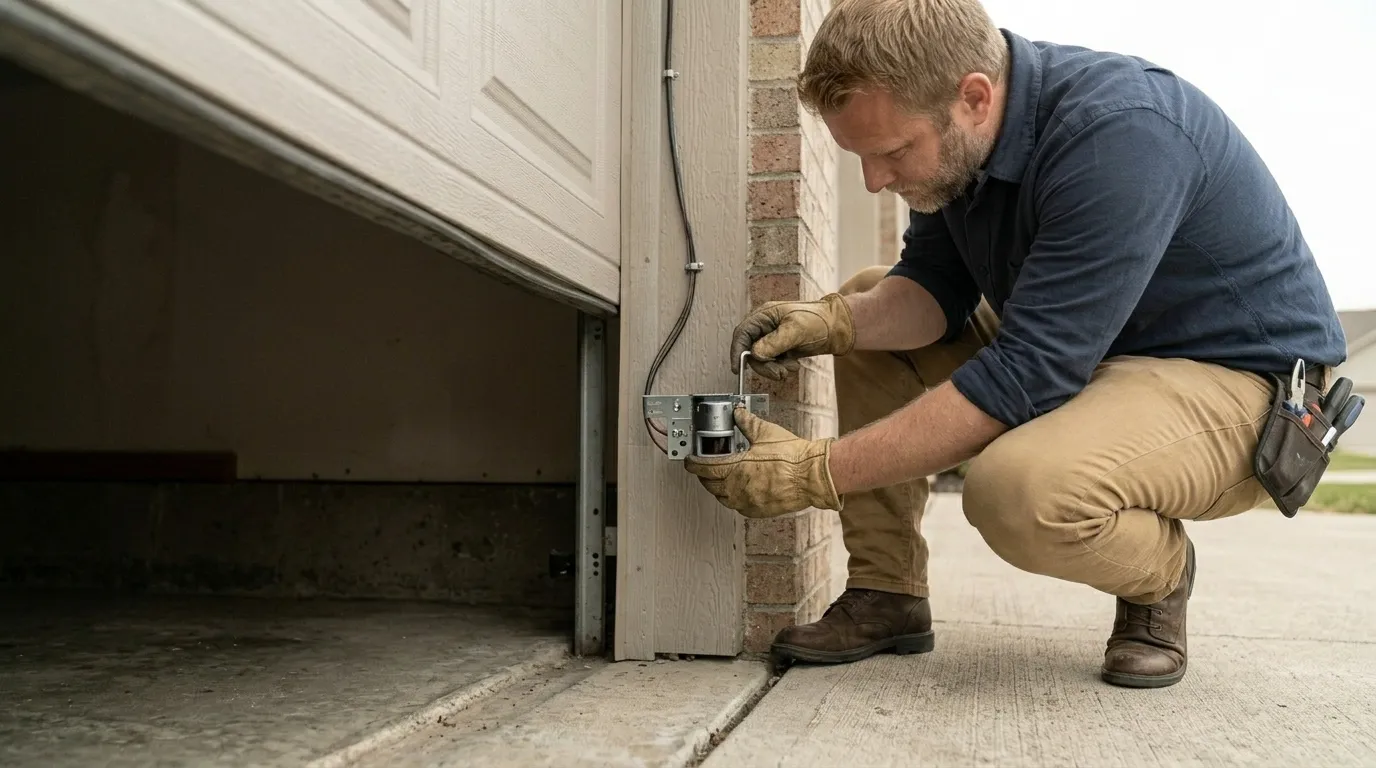
The call we get most from this stretch of town is an opener that hums but the door doesn't move, or one that opens fine in the afternoon and won't run at all on a cold morning. Both point to a drive component or a board weakened by age, and cold makes either worse - grease thickens, plastic gears get brittle, and a marginal capacitor that limps along at 60 degrees quits outright at 15. If your door reverses a few inches from the floor every time, that's almost always the sensor pair, not the motor, and it's usually the cheaper fix of the two.
Talk to a Bartlett Technician First
Describe what the door is doing and get a straight answer on what it likely needs.
Other Garage Door Services in Bartlett
Recent Work in Bartlett
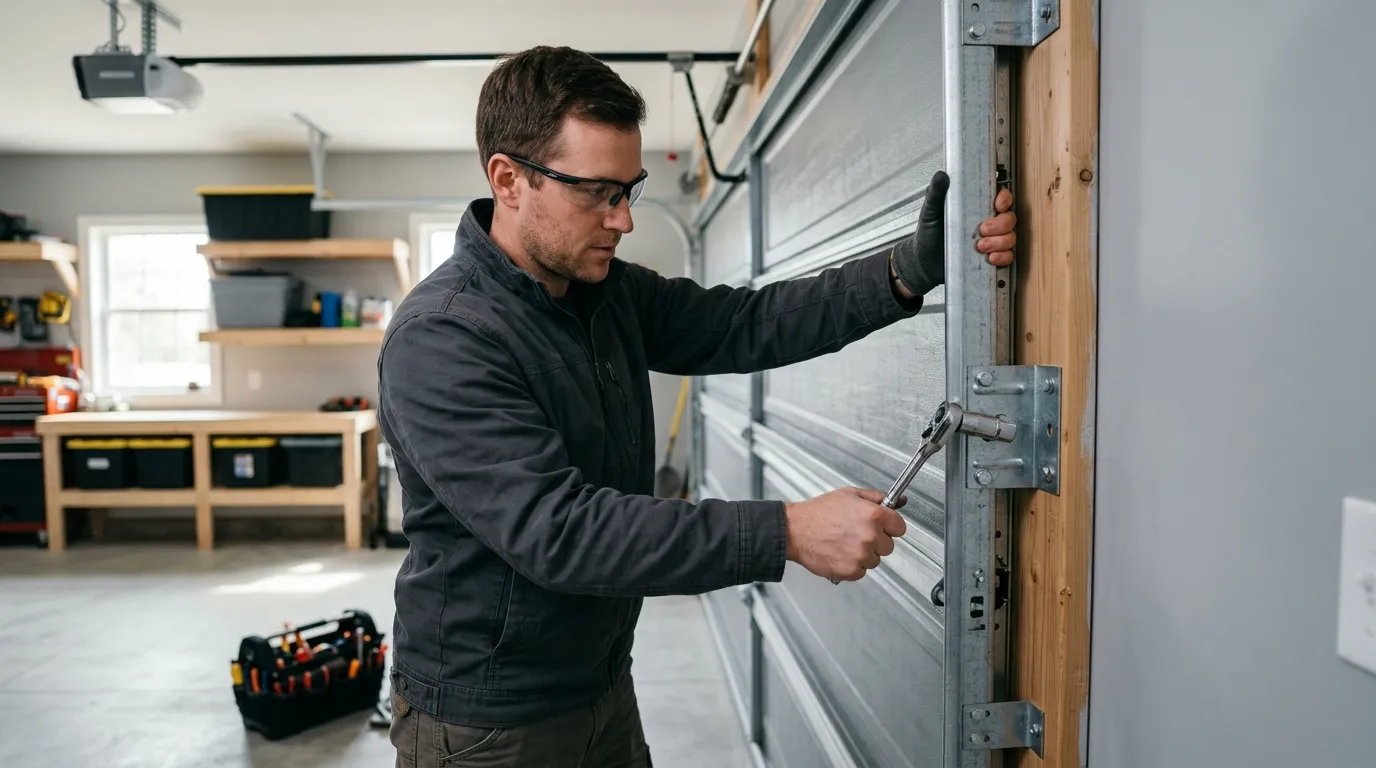
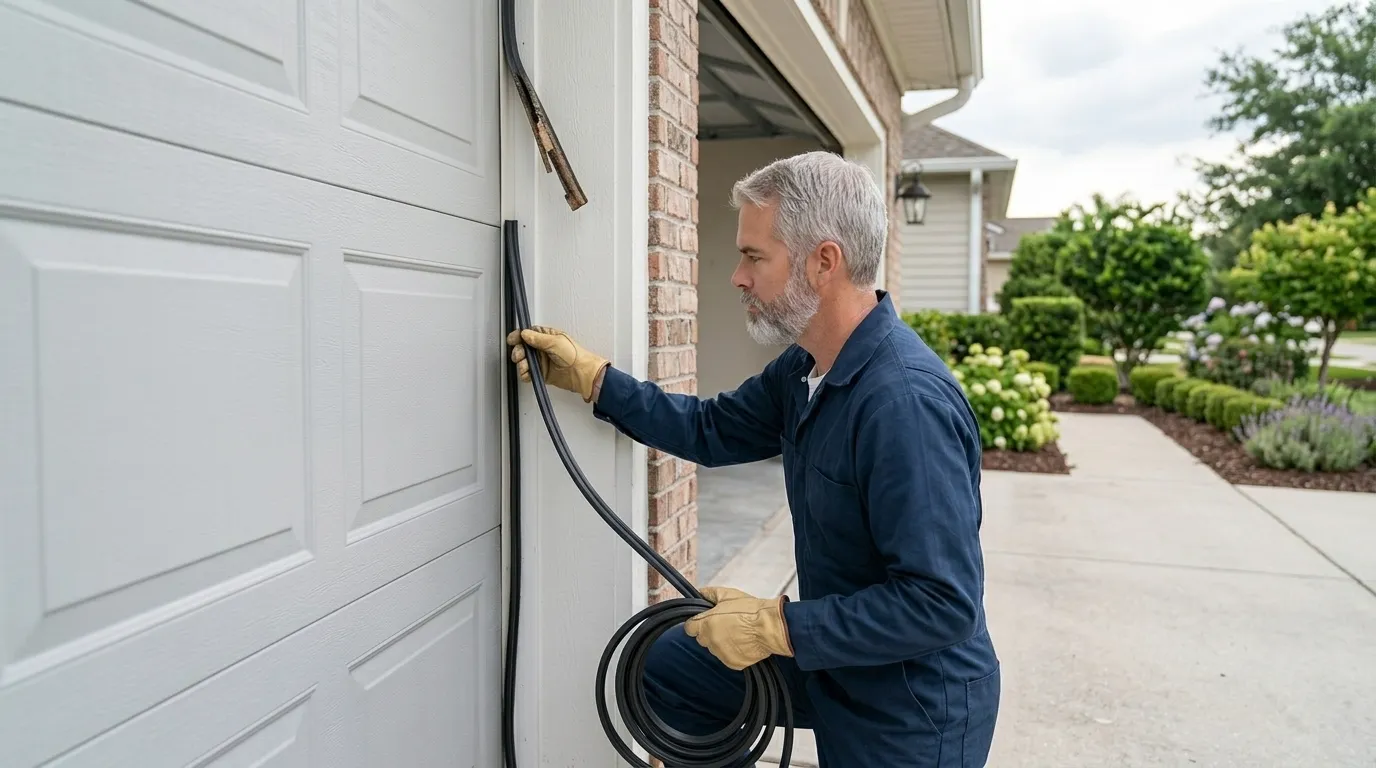
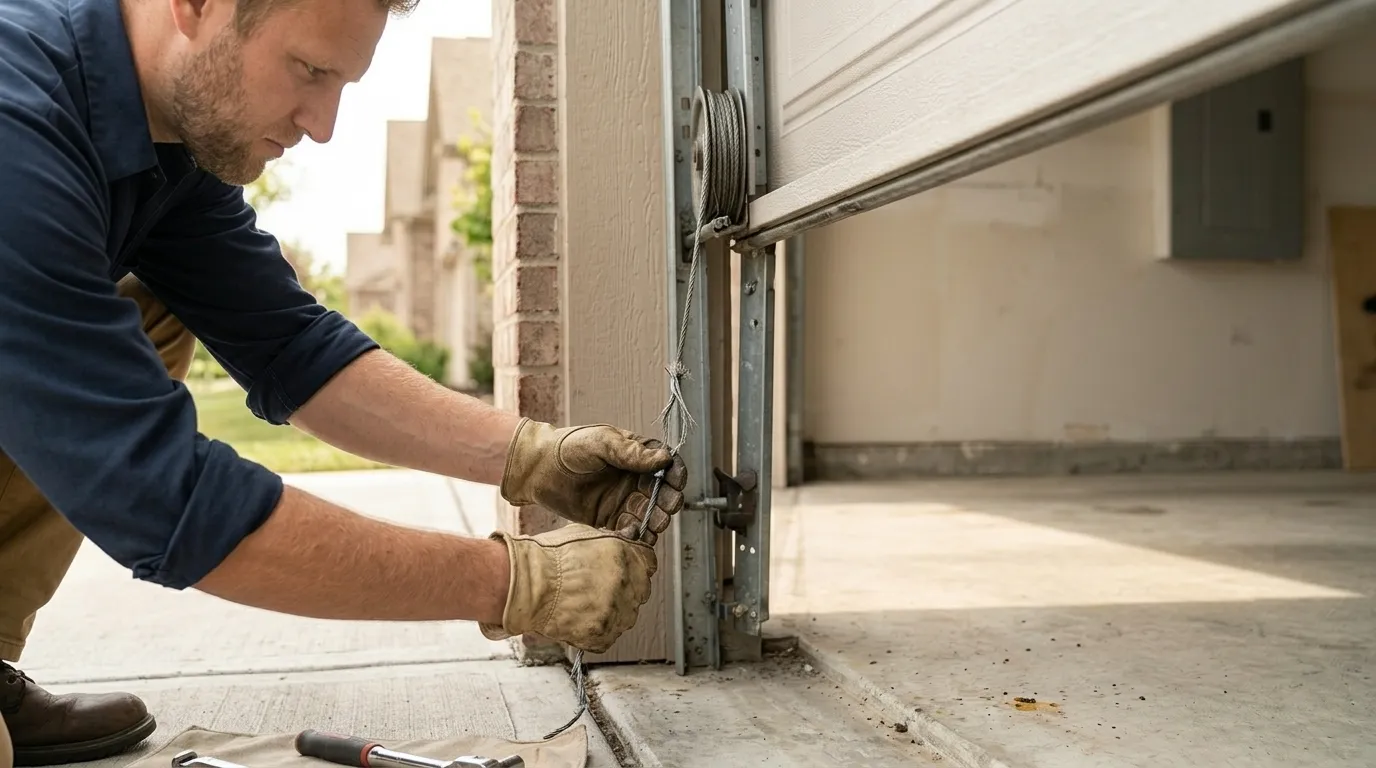
A look at jobs our crew has been on nearby.
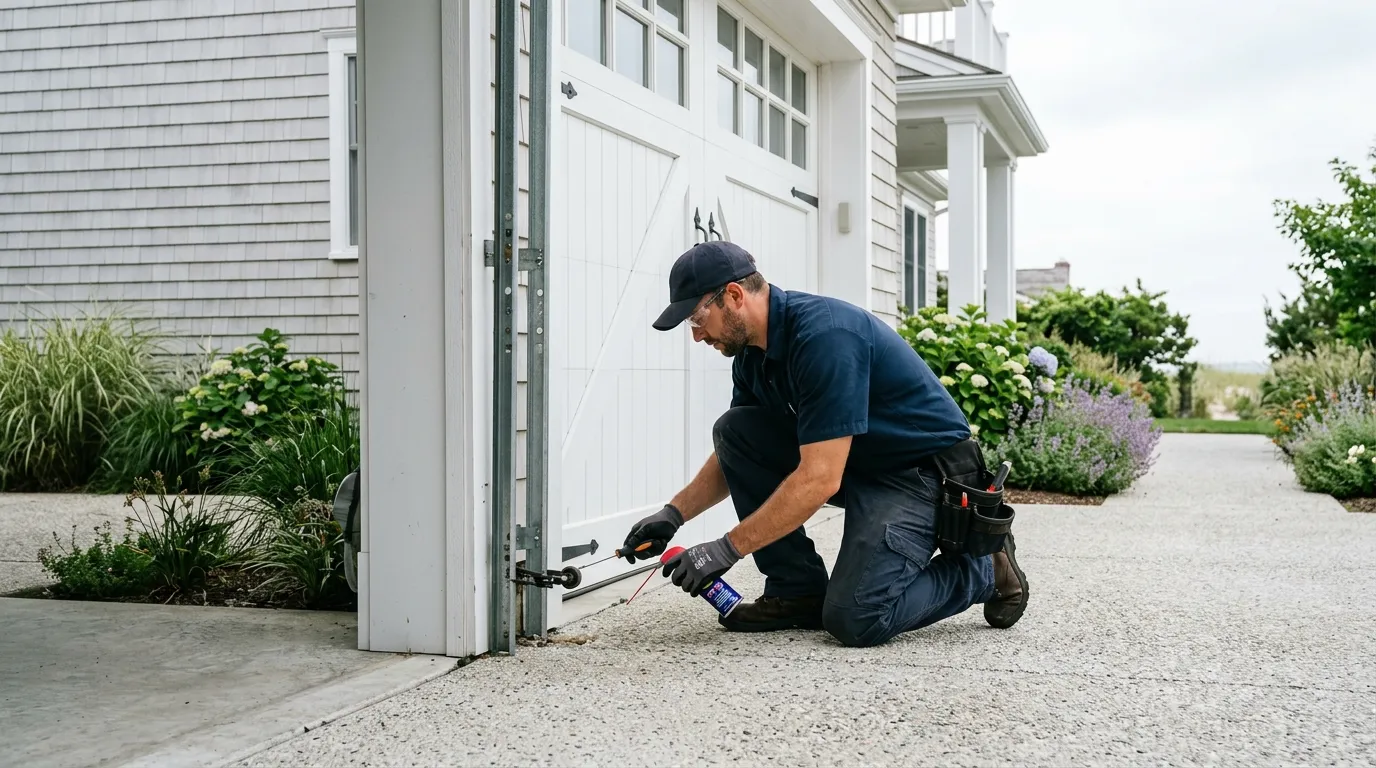
Why Bartlett Calls Us
Frequently Asked Questions
Why does my opener only fail in the winter?
Cold thickens the grease in the drive mechanism and puts extra load on a motor that's already working harder against stiff hardware. On an opener already 25-30 years old, a marginal capacitor or worn drive gear that limps along in warm weather often quits outright once temperatures drop, since this region sits in a severe cold climate band.
Is it worth repairing an opener this old, or should I replace it?
Depends what's wrong. A drive gear or sensor kit is cheap and worth fixing. A dead board on a discontinued brand can cost close to a new unit to source, and at that point replacement makes more financial sense than chasing parts for something built when the house was new.
Do you have a branch in Bartlett?
No. We run out of Palatine, about 13 miles away, and drive out for scheduled jobs. We don't keep a local depot here, so we ask for details on the opener up front so we bring the right part on the first trip.
My door has sensors but they look added on, not built in - is that normal?
Yes, on houses from this build era it's common. Federal law requiring photo-eye sensors on new openers took effect right around when a lot of this area was built, so some units shipped with them factory-installed and others got a retrofit kit bolted on afterward, wired slightly differently door to door.
Need Opener Repair in Bartlett?
Call now for straight answers on cost and timing.