
Palatine Garage Door Guide
Attached and Detached Garage Doors: What Palatine's Build Years Mean
Palatine homes split between attached and detached garages by build era. See how 1980s-era construction and cold-severe winters change what each door needs.
- Licensed & Insured
- Same-Area Service Calls
- Upfront Pricing
What Is Going On
In Palatine, the split between attached and detached garages comes down to when the house was built. The housing stock here runs from 1938 through 2009, with the median build year landing around 1980, and most of the 86 named areas in this service area carry that same 1980s-to-90s pattern. Houses from that stretch were built with the garage as part of the structure - a shared wall, a shared roofline, often a shared header over the door itself.
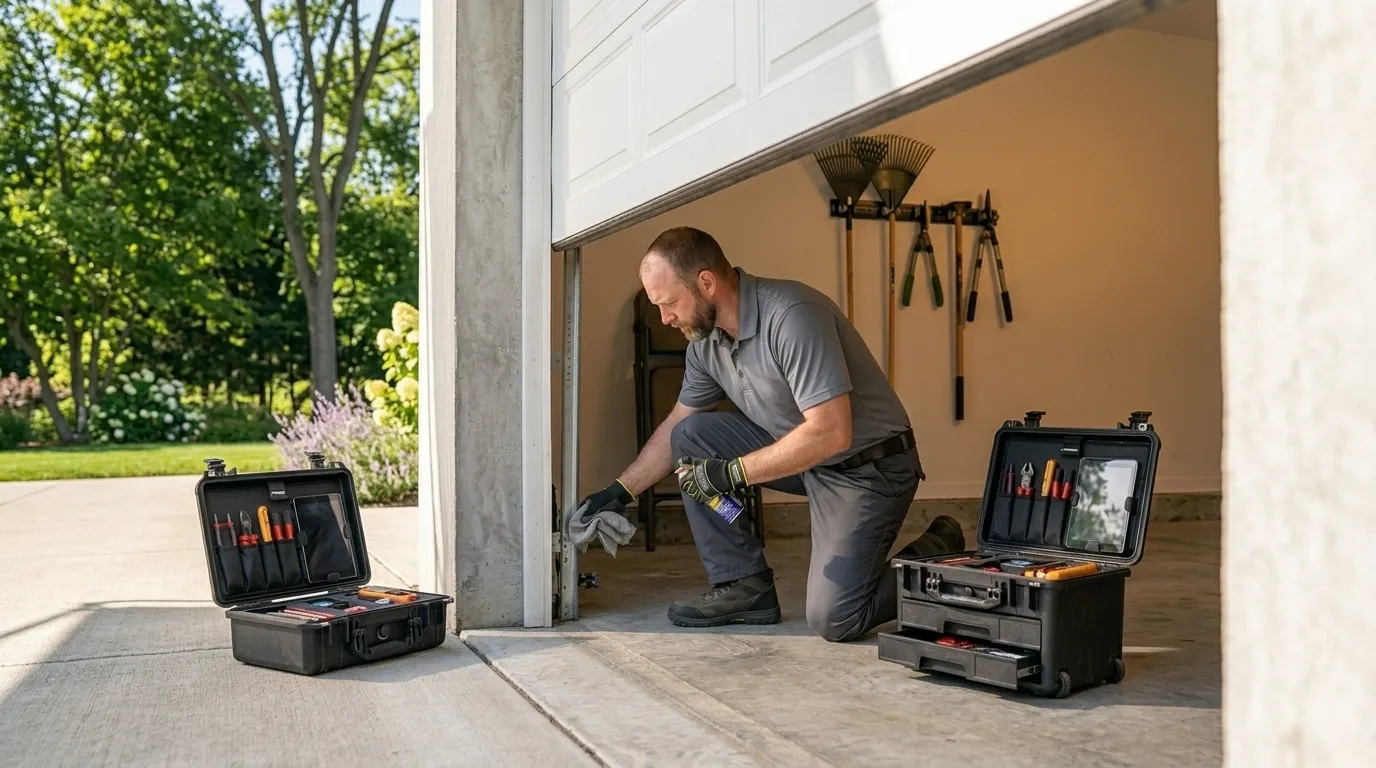
That's an attached garage. The older end of that range, the pre-1960s pockets, is where you still find the detached stand-alone garage set back from the house, usually with its own slab and its own short driveway spur. The door hardware differs because the structure differs: an attached door usually ties into framing shared with living space, while a detached door hangs on framing that has no relationship to anything heated.
That distinction matters more here than the door brand or the opener model - it decides how the door behaves once the temperature drops, and it decides what kind of call we're actually walking into.
What the Weather Here Does to It
Palatine sits in a climate band that federal sources classify as cold and severe, and that classification changes what each type of garage door has to survive. A detached garage has no shared wall with a heated room, so the inside of that structure tracks outdoor temperature almost exactly - steel panels contract, torsion springs stiffen, and rollers on older tracks get brittle faster than they would on an attached door. An attached garage, especially one built into that 1980s-median housing stock, usually borrows some heat through the shared wall or the ceiling joists above it, which softens the swing but doesn't eliminate it.
Condensation is the bigger issue on attached doors: warm household air meets a cold steel panel and beads up on the inside, which over a winter can rust the bottom sections faster than the same door would rust in a detached, unheated structure that never sees that humidity gradient. Neither setup escapes the cold-severe rating cleanly. The detached door fights raw temperature swings; the attached door fights moisture.
Both wear out spring tension and weatherstripping faster than a door would in a milder climate.
The Cost of This Job
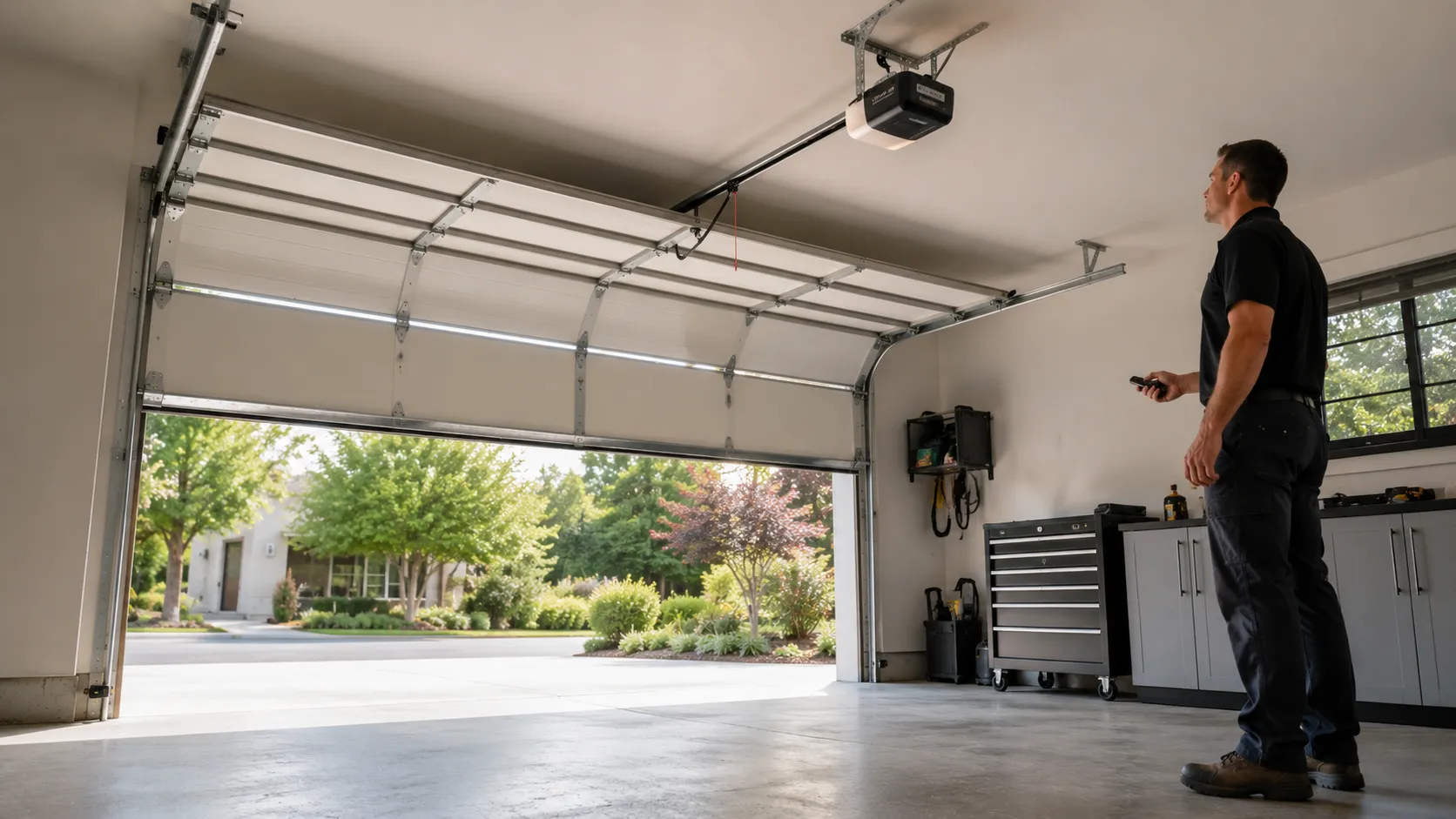
We can't hand you a number without seeing the door - a torsion spring swap on an attached door runs different money than reframing a detached door's rotted jamb, and we don't have a published price list to quote from here. What we can say is that the Palatine service area has a median household income of $110,844 across roughly 446,552 households, with 221,947 of those owner-occupied houses - a market where most owners are comparing a repair against a full replacement rather than skipping the job outright. Detached garage jobs tend to run longer because the structure often needs its own inspection: sagging headers, settled slabs, wiring runs that weren't part of the original build the way an attached garage's shared wall was.
Attached door jobs are usually faster because the opener, the wiring, and the framing already tie into the house. That's not a price, it's a shape of the job. If you want an actual number, that comes from someone standing in front of your door, not from a page like this one.
Leaving It Alone
Ignoring a detached garage door in this climate costs you differently than ignoring an attached one. On a detached structure, a stuck door in a cold-severe winter just means you're out in the weather longer trying to force it, and the isolation of that building means nobody notices a failing spring until it snaps. On an attached door, a neglected seal or a slipping track means cold air and moisture working directly against a wall that's also part of your house, and in the 1980s-median stock common in this service area, that often means minimal insulation behind that shared wall to begin with.
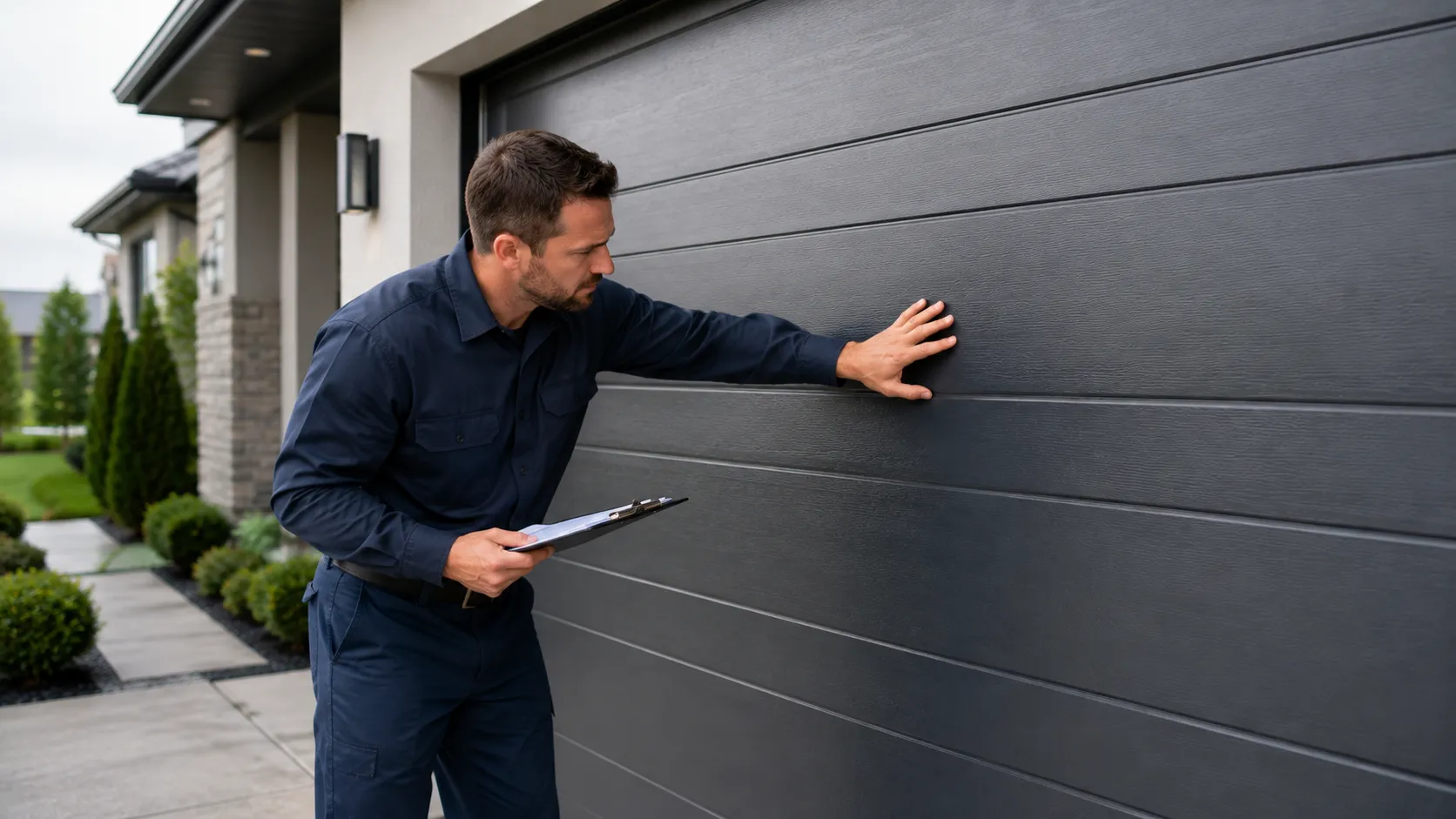
Left alone long enough, either problem turns into a bigger one: a spring that finally lets go on a heavy double door, a track that's pulled loose from framing that was never rated for the extra flex. We won't tell you every squeak needs a call. But a door that's binding, dropping unevenly, or icing shut every cold snap on either garage type is past the point where waiting saves money.
How We Can Help
Garage Door Repair
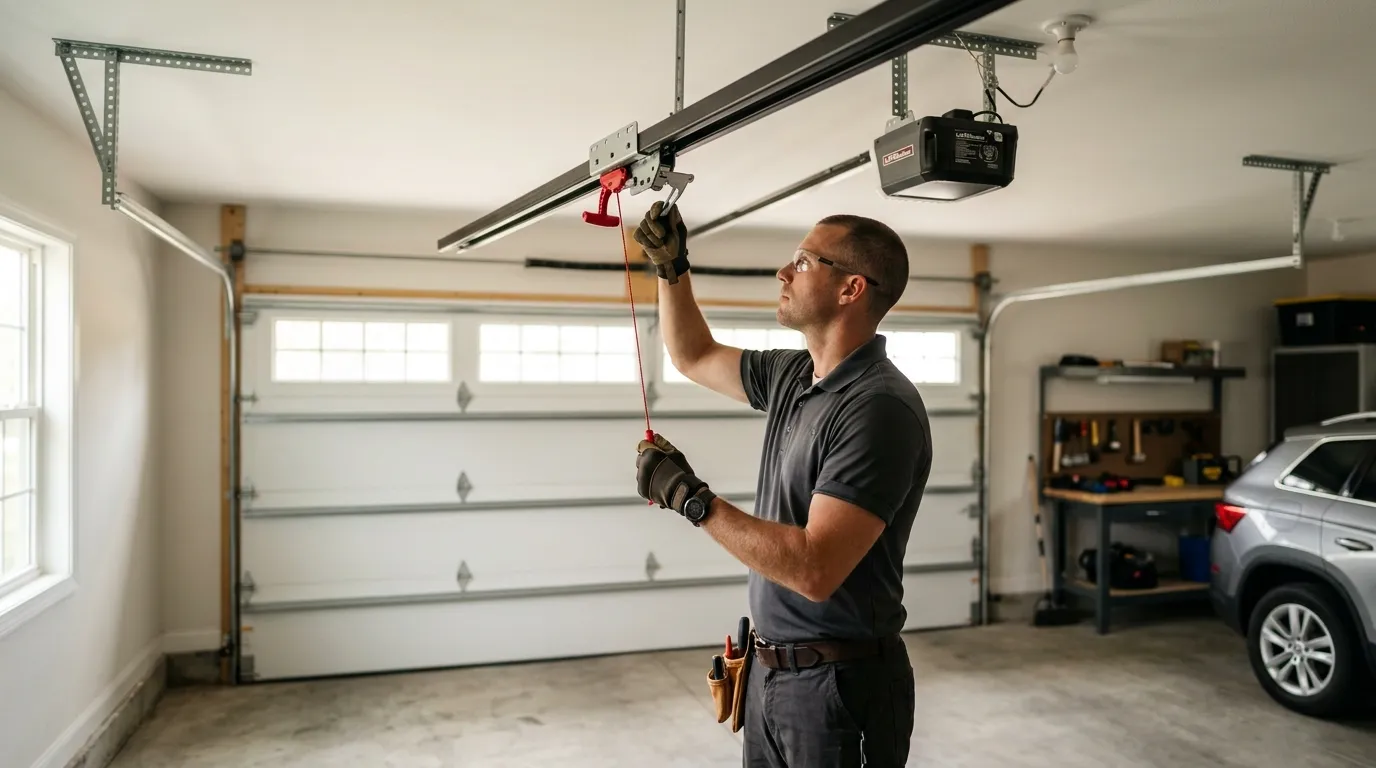
Springs, cables, tracks, rollers, and openers fixed by a tech who explains the problem before touching anything.
Learn more →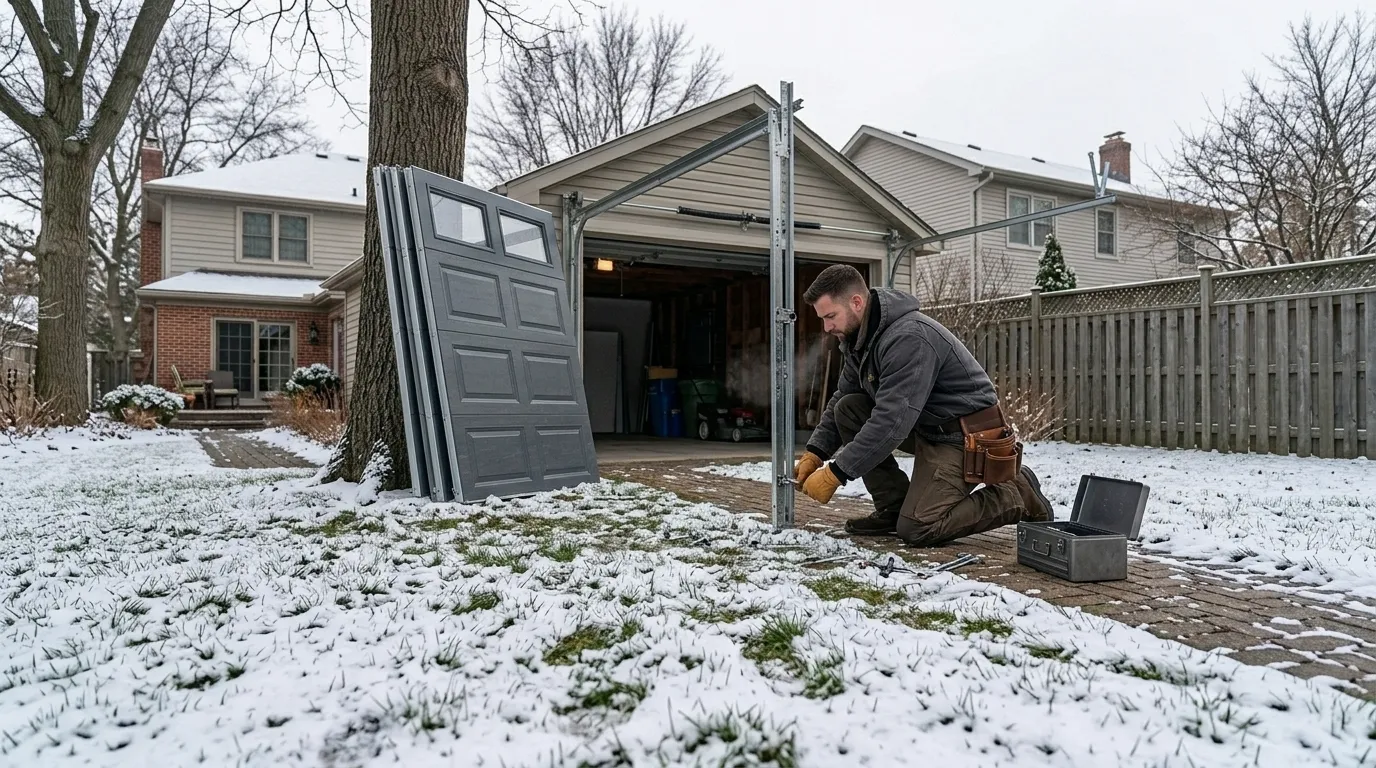
Garage Door Installation
New sectional doors sized and installed for the housing stock actually built in this area.
Learn more →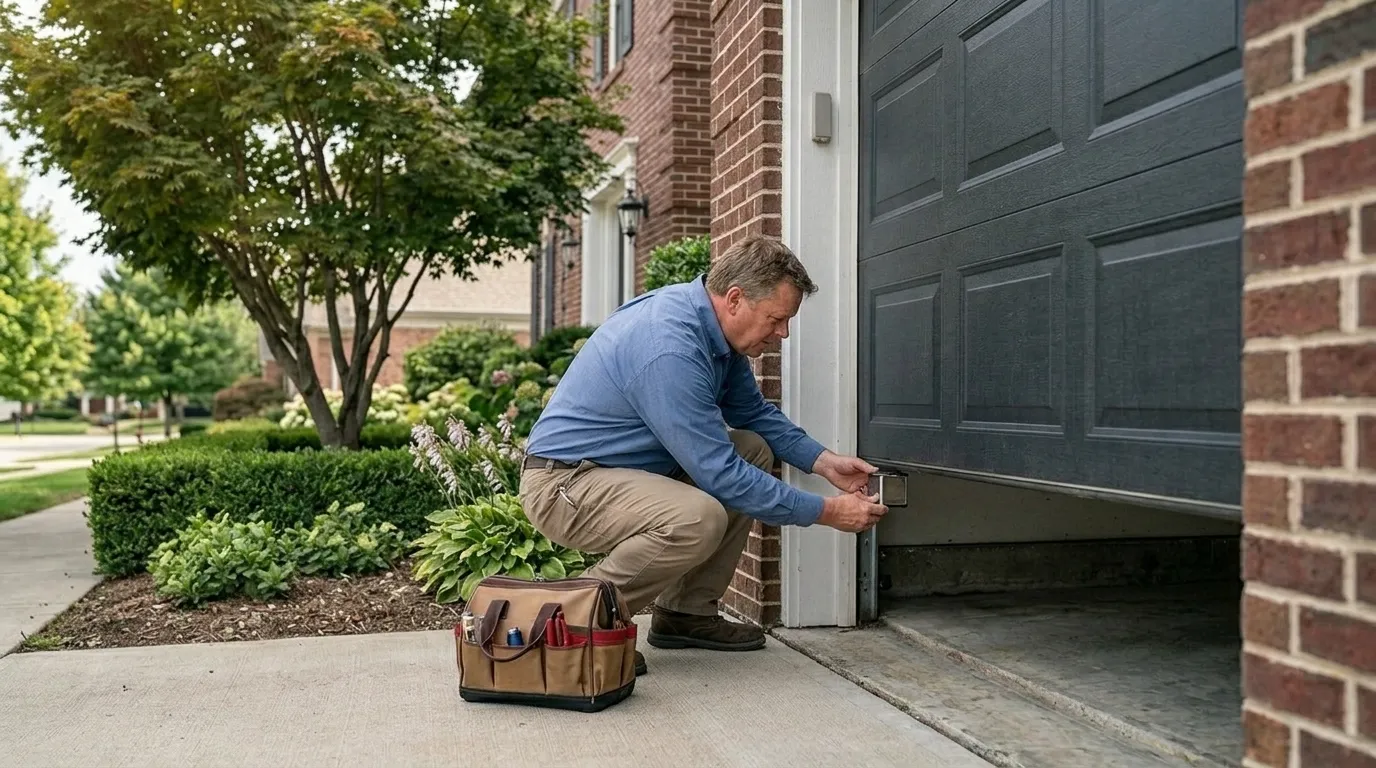
Garage Door Service
Tune-ups, lubrication, and safety checks that catch a small problem before it becomes a service call.
Learn more →Frequently Asked Questions
Does it matter if my garage is attached or detached when it comes to winter problems?
Yes. A detached garage in Palatine's cold-severe climate has no shared wall to soften temperature swings, so springs and rollers stiffen faster. An attached garage stays a bit warmer but deals with condensation on the inside of the panels, which rusts bottom sections over time. Different failure pattern, same cold-severe rating driving both.
Is a detached garage door repair more expensive than an attached one?
Often the labor runs longer, not necessarily the parts. Detached structures sometimes need extra checks on the header, slab, or wiring since that framing wasn't built as part of the house. We don't publish a price list, so any real number comes from seeing the door in person.
My house was built in the 1980s - does that affect my door hardware?
It can. Most of the housing stock across this service area dates to the 1980s and 90s, which is when attached garages with shared-wall framing became standard. That affects header support and how much heat the garage borrows from the house, which matters for spring wear in a cold-severe climate.
Have a Door That Needs a Second Opinion?
Call and describe what it is doing - we will tell you what it likely is.