
Palatine Garage Door Guide
Stopping the Draft Coming Through Your Garage Door in Palatine
Why garage door seals fail early in Palatine's 1980s-era housing stock and cold winters, what it costs to fix, and what happens if you let the draft sit.
- Licensed & Insured
- Same-Area Service Calls
- Upfront Pricing
What Is Going On
If you're feeling a draft along the bottom or sides of your garage door, you're not imagining it. Housing in this area was built mostly between 1938 and 2009, with the median landing around 1980, and most of what's still standing dates from that 1980s-90s wave. That means a lot of doors out here are running original bottom seals, original vinyl astragal, and jamb weatherstripping that's thirty-plus years old, sun-baked and winter-cracked long before anyone noticed.
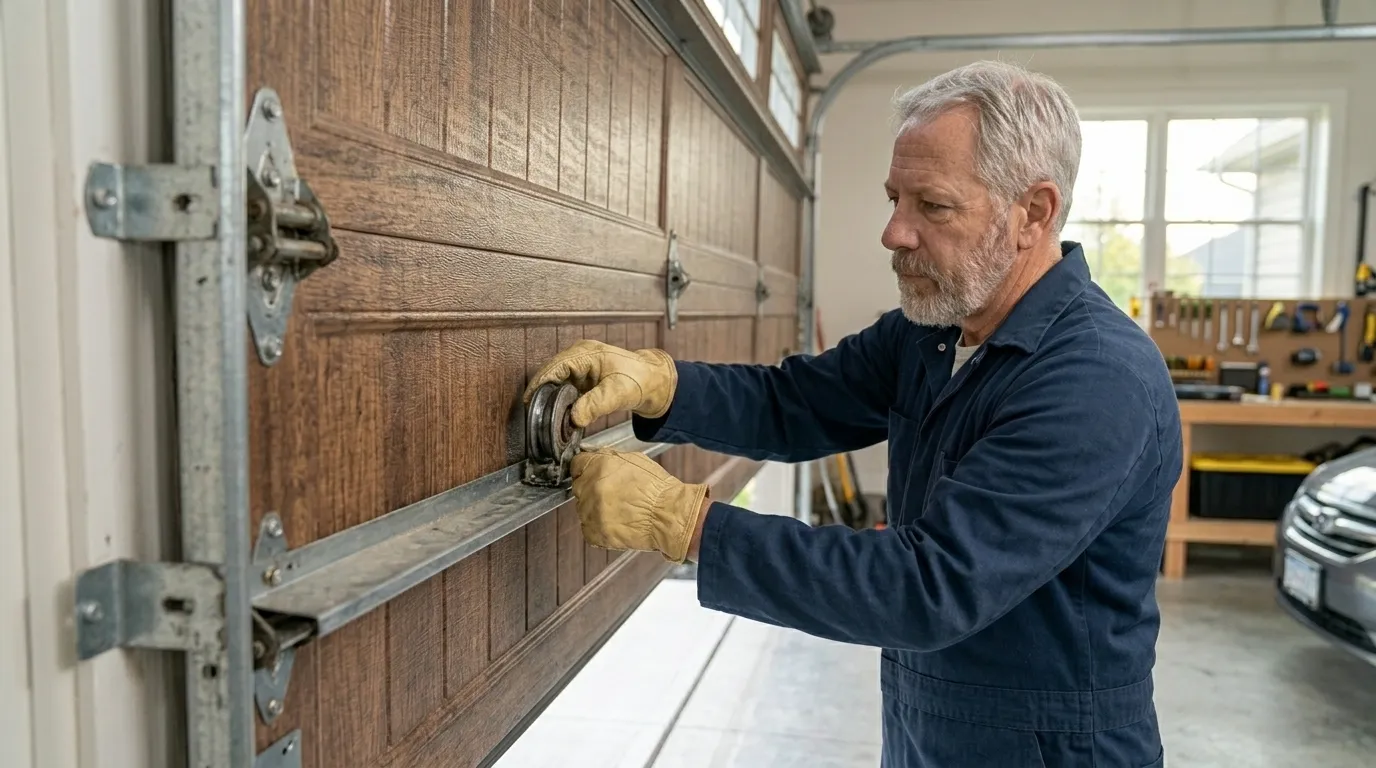
The symptom is simple: cold air along the floor, a strip of daylight under the door when it's closed, maybe a whistle when the wind picks up. The cause is almost always the same three parts - the bottom seal (the rubber or vinyl strip in the track under the door), the vertical jamb seals on either side, and sometimes the flimsy top seal that nobody remembers exists until it's gone. On a door from the 1980s stock common here, these are usually stapled or nailed strips, not the retainer-track style used in newer builds, so they don't just wear - they tear loose.
We don't guess at this from a truck window. If the seal looks intact but you're still getting draft, the problem is usually the door not sitting flat in the frame anymore, which is a different repair.
What the Weather Here Does to It
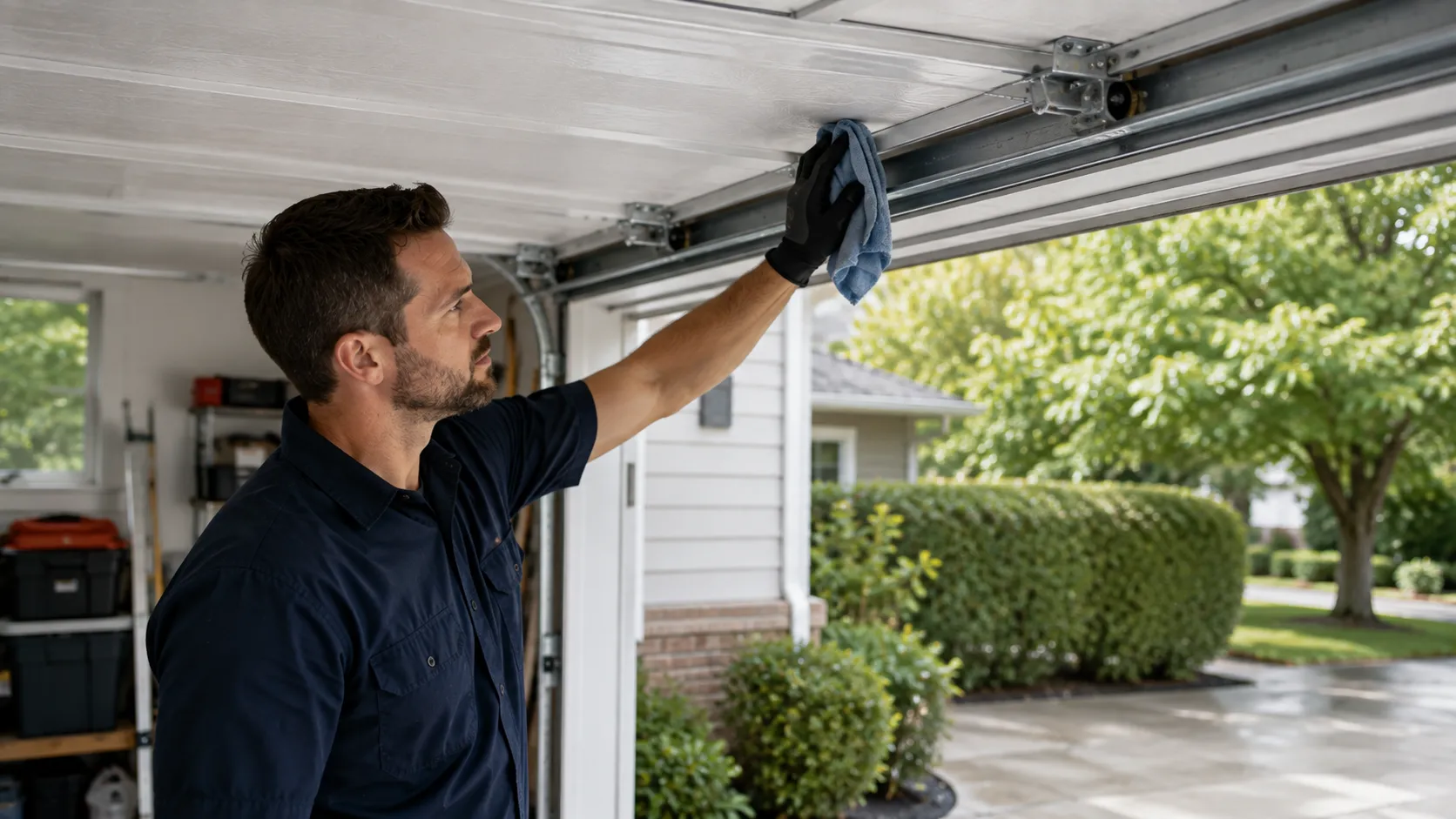
This area sits in a climate band the federal data marks as cold and severe, and that matters more for seals than for almost any other part of the door. A bottom seal doesn't fail from one bad winter - it fails from repeated freeze-thaw cycling, where the vinyl goes rigid in a hard freeze, then softens on a warm afternoon, then refreezes overnight. Do that forty or fifty times a winter and the material work-hardens, cracks at the fold, and stops flexing enough to seal the slab against the concrete.
Ice is the other half of it. When snow melts against a warm garage floor and refreezes at the threshold, it can weld the bottom seal to the slab overnight.
Force the opener through that and you tear the seal, and sometimes bend the bottom section of the door itself. Jamb seals take a similar beating from ice buildup at the corners, where wind-driven snow packs in and then freezes solid against brittle vinyl.
This is also why seal material matters more here than in a mild climate. A cheap seal rated for general use will outlast its warranty on paper and still fail two winters in from cold-cycling alone.
The Cost of This Job
We don't have a set price to quote you here without seeing the door - width, seal type, and whether the track needs work all change it - so we won't invent a number. What we can tell you is what drives the cost up or down.
A single-car door with standard bottom seal and jamb weatherstripping is a straightforward swap. A double-wide door built to the 1980s-era stock common in this area sometimes uses an older seal profile that isn't stocked on every truck, which adds a trip or a short wait on the part. If the jamb itself has shifted - not uncommon on a house pushing forty-plus years old - the seal won't hold a proper line no matter how new it is, and that's carpentry, not weatherstripping.
Across a service area with 221,947 owner-occupied houses, most of them from that same building era, this is one of the more common calls we take, and it's rarely the most expensive part on the door. Springs and openers cost more. Seals are cheap insurance against the bigger problem - ice and cold air working on hardware that wasn't built for another decade of this.
Leaving It Alone
A draft doesn't stay a draft. Cold air pulling through a bad seal raises the heating load on whatever's on the other side of that garage wall, and in an attached garage that's often a mudroom or a bedroom above. Past the comfort issue, moisture rides in with that air, and moisture plus cold concrete is how you get frost and rust on the bottom of the door panel and the track hardware over a winter or two.
Ice is the bigger risk. A torn seal lets meltwater track under the door and refreeze at the threshold, and an opener that keeps forcing a door through frozen buildup will eventually strip the drive gear or bend the bottom panel. That's a heavier repair than the seal ever would have been.
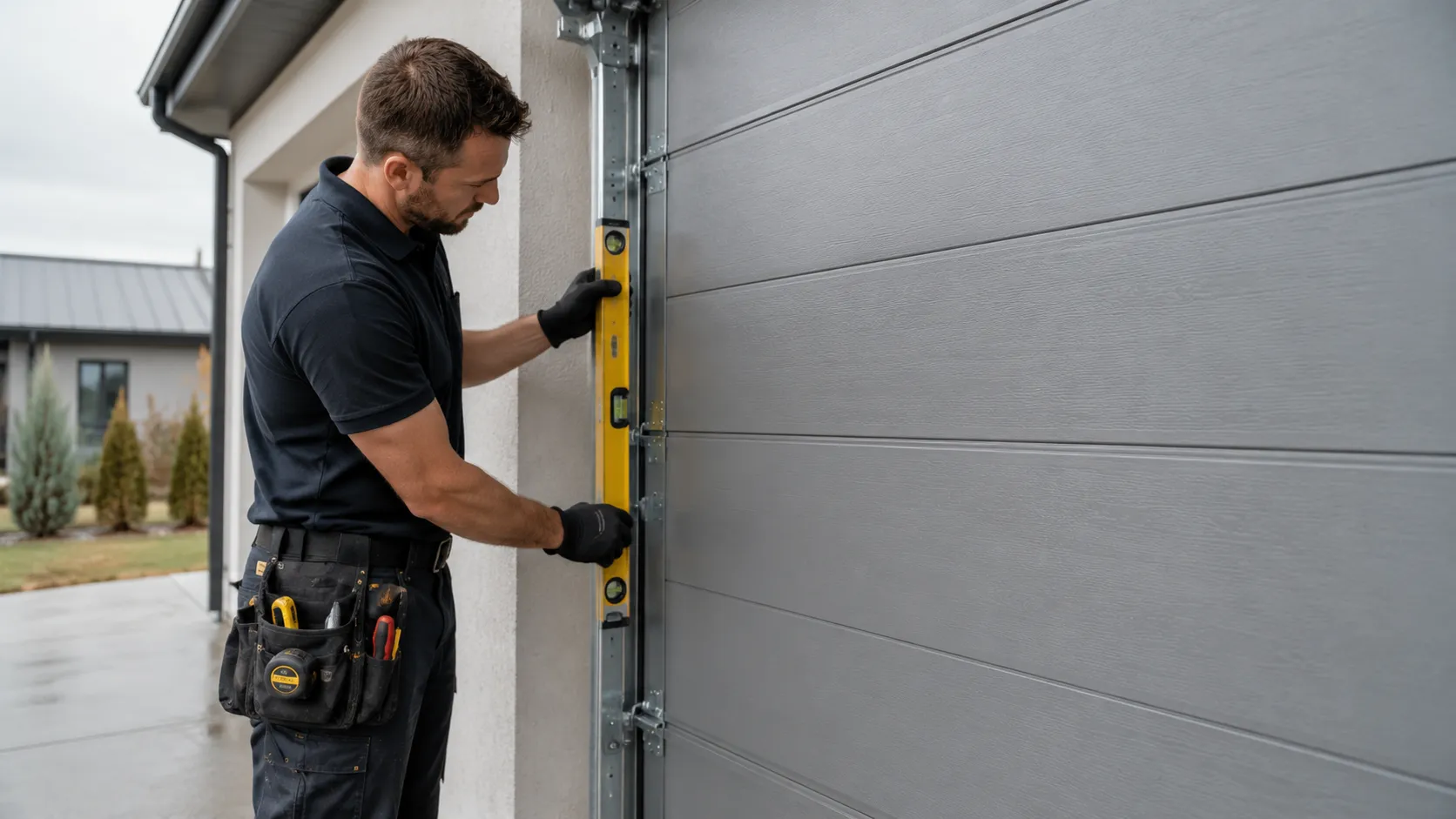
Here's the honest limit: if the door is out of square or a panel is warped, a new seal will not fix the draft. It'll look right for a season and then start letting air through again at the same spot, because the seal was never the actual problem. In that case the fix is realignment or a panel swap, and we'll tell you that instead of selling you a seal that won't hold.
How We Can Help
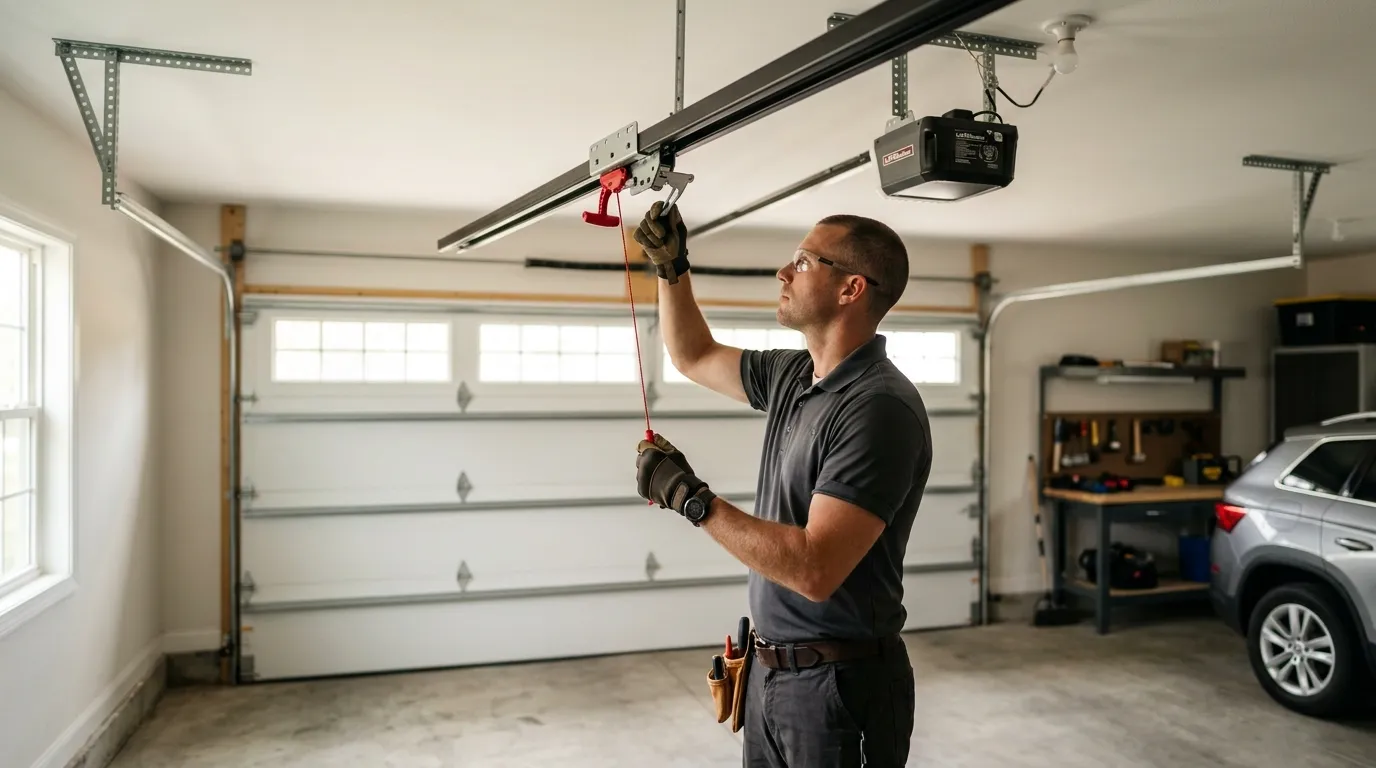
Garage Door Repair
Springs, cables, tracks, rollers, and openers fixed by a tech who explains the problem before touching anything.
Learn more →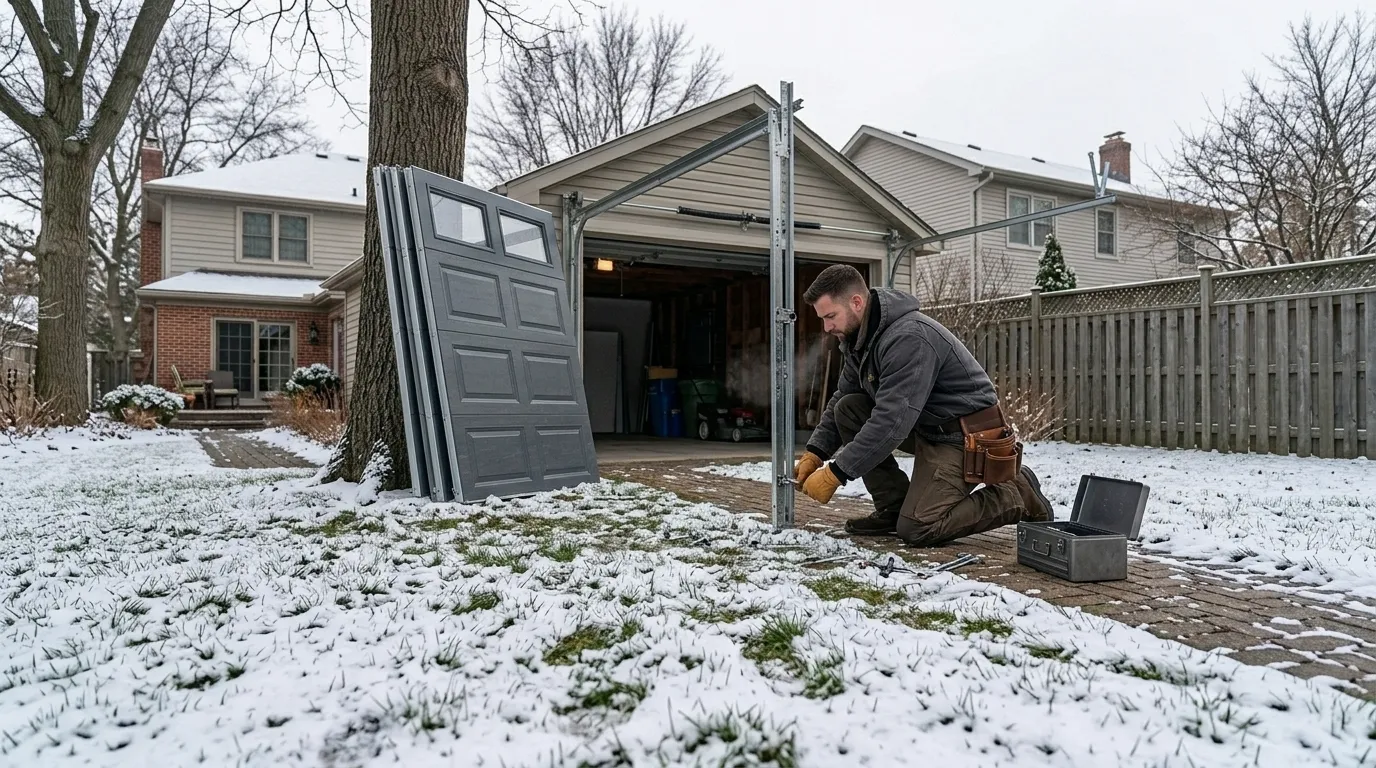
Garage Door Installation
New sectional doors sized and installed for the housing stock actually built in this area.
Learn more →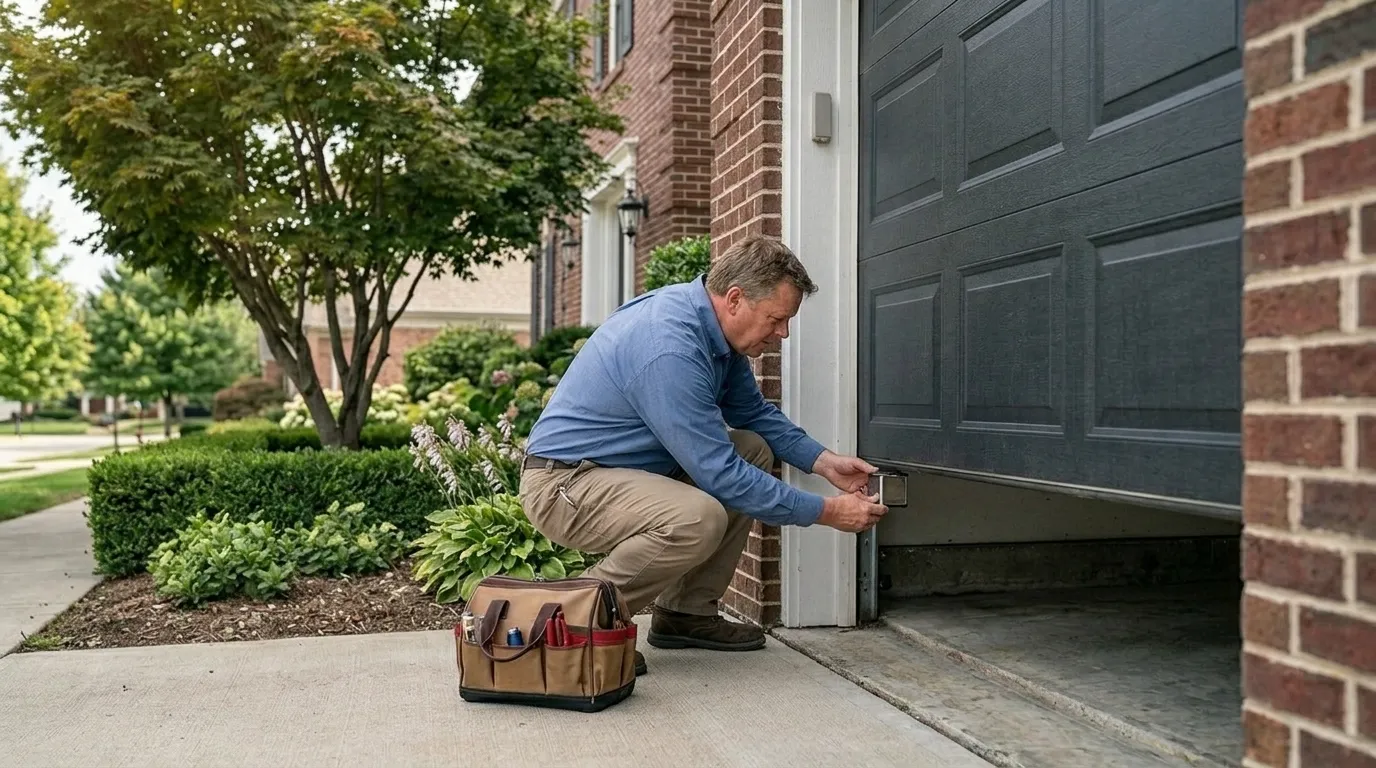
Garage Door Service
Tune-ups, lubrication, and safety checks that catch a small problem before it becomes a service call.
Learn more →Frequently Asked Questions
How often should garage door seals get replaced in Palatine?
There's no fixed schedule, but on a door from the common 1980s-90s stock in this area, expect the bottom seal to need replacing every several years given the freeze-thaw cycling here, sooner if it's been cracking or has torn away from the retainer. Jamb seals usually last a bit longer unless ice has been forcing against them.
Why does my garage door seal keep freezing to the floor?
Meltwater from snow tracked in on tires or boots pools at the threshold and refreezes overnight once temperatures drop, which is common given the cold, severe winters here. If it happens repeatedly, the seal or the slab pitch may need attention, since a healthy seal shouldn't leave a gap wide enough for water to collect.
Can I just add extra weatherstripping myself instead of replacing the seal?
You can add supplemental strips along a jamb, but it won't fix a torn or hardened bottom seal, and it can interfere with how the door sits against the track. On older doors from this area's 1980s-era stock, a full seal swap usually holds up better than patching.
Have a Door That Needs a Second Opinion?
Call and describe what it is doing - we will tell you what it likely is.