
Palatine Garage Door Guide
The First Things a Tech Looks At on Your Door
Before any repair quote, our tech runs the same first-look checklist on Palatine homes built 1938-2009, tuned to what this area's winters and door age actually break.
- Licensed & Insured
- Same-Area Service Calls
- Upfront Pricing
What Is Going On
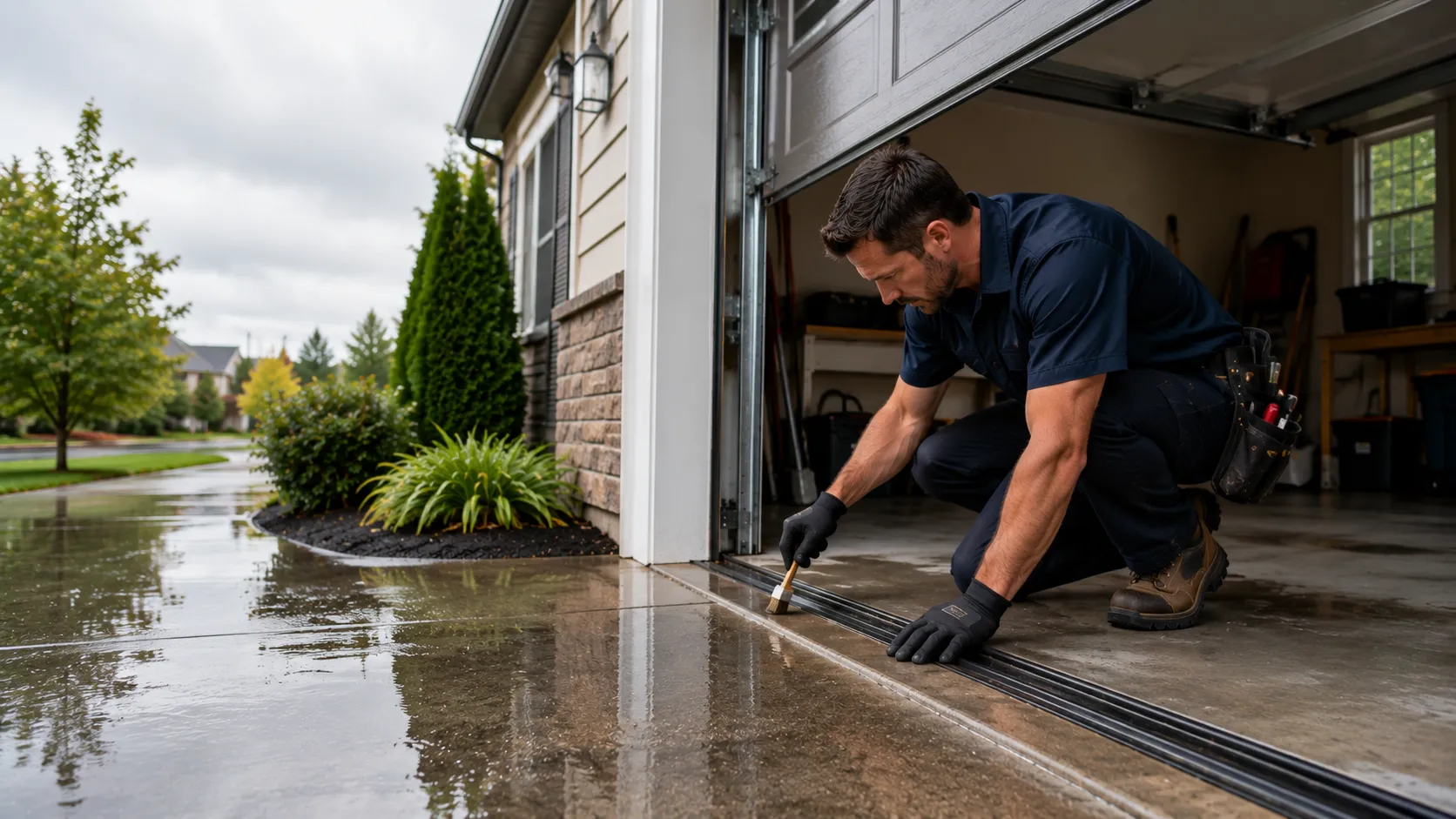
Before anything gets tightened or replaced, the tech walks the track, checks spring wind, and looks at the opener's age against the house. Housing in this service area went up mostly between 1938 and 2009, with the bulk of it built in the 1980s and 90s. That matters because a door installed when the house was built is often still running its original torsion spring and the opener that came after it, sometimes a second-generation replacement from the 2000s.
A tech checks the spring first because a worn one masks itself as an opener problem - the motor strains, the wall button hesitates, and the owner assumes the opener is dying when it's really the spring giving up the lift. Next comes the track alignment and roller wear, since 80s and 90s track hardware wasn't built for the loads today's insulated doors carry. He'll also look at the bottom bracket and cable drums, because on a house this old, corrosion at the drum can be worse than it looks from the floor.
None of this is guesswork - it's what the age of the stock in this area predicts before he even opens the panel.
What the Weather Here Does to It
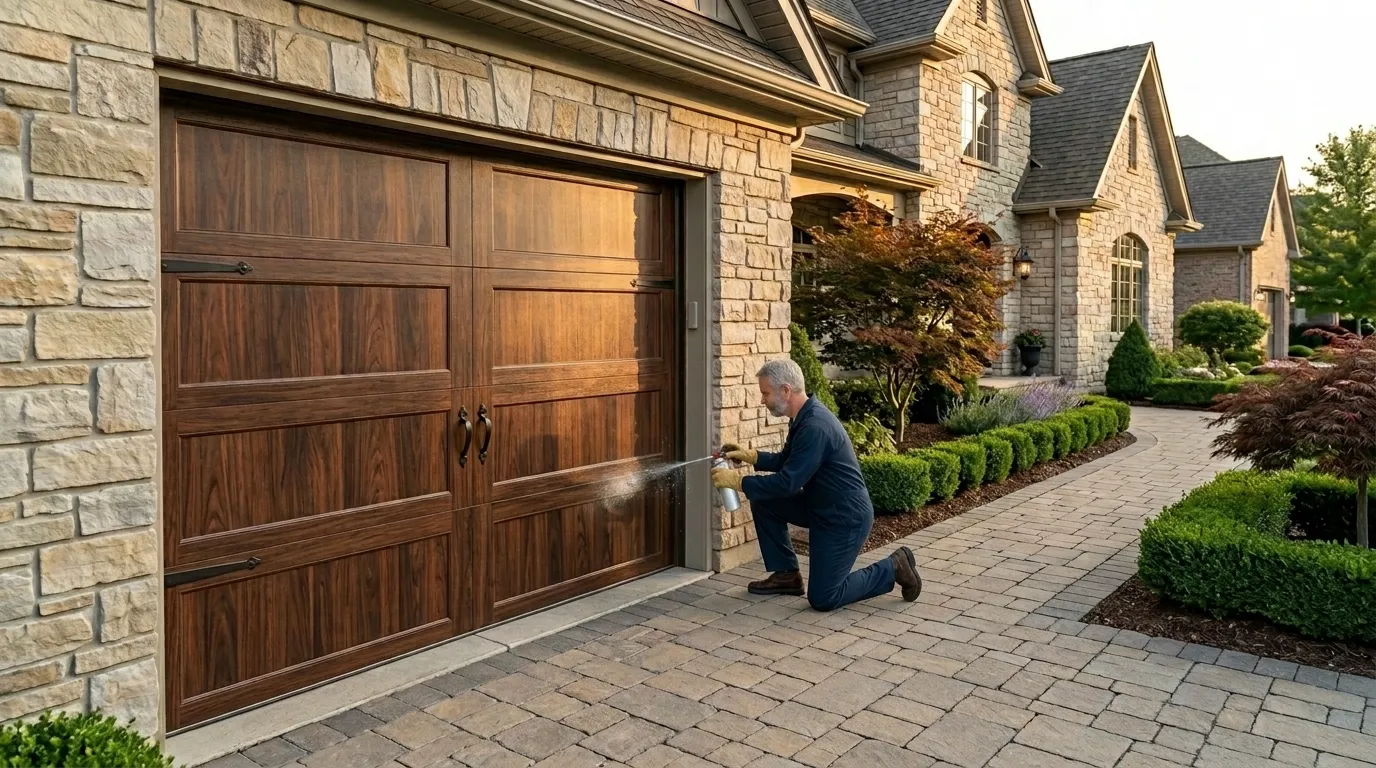
This area sits in a cold, severe winter band, and that shapes the checklist as much as the age of the house does. Steel springs lose tension faster in sustained cold, so a spring that was marginal in October can snap in January without warning. The tech checks spring wear against the season, not just the calendar year it was installed.
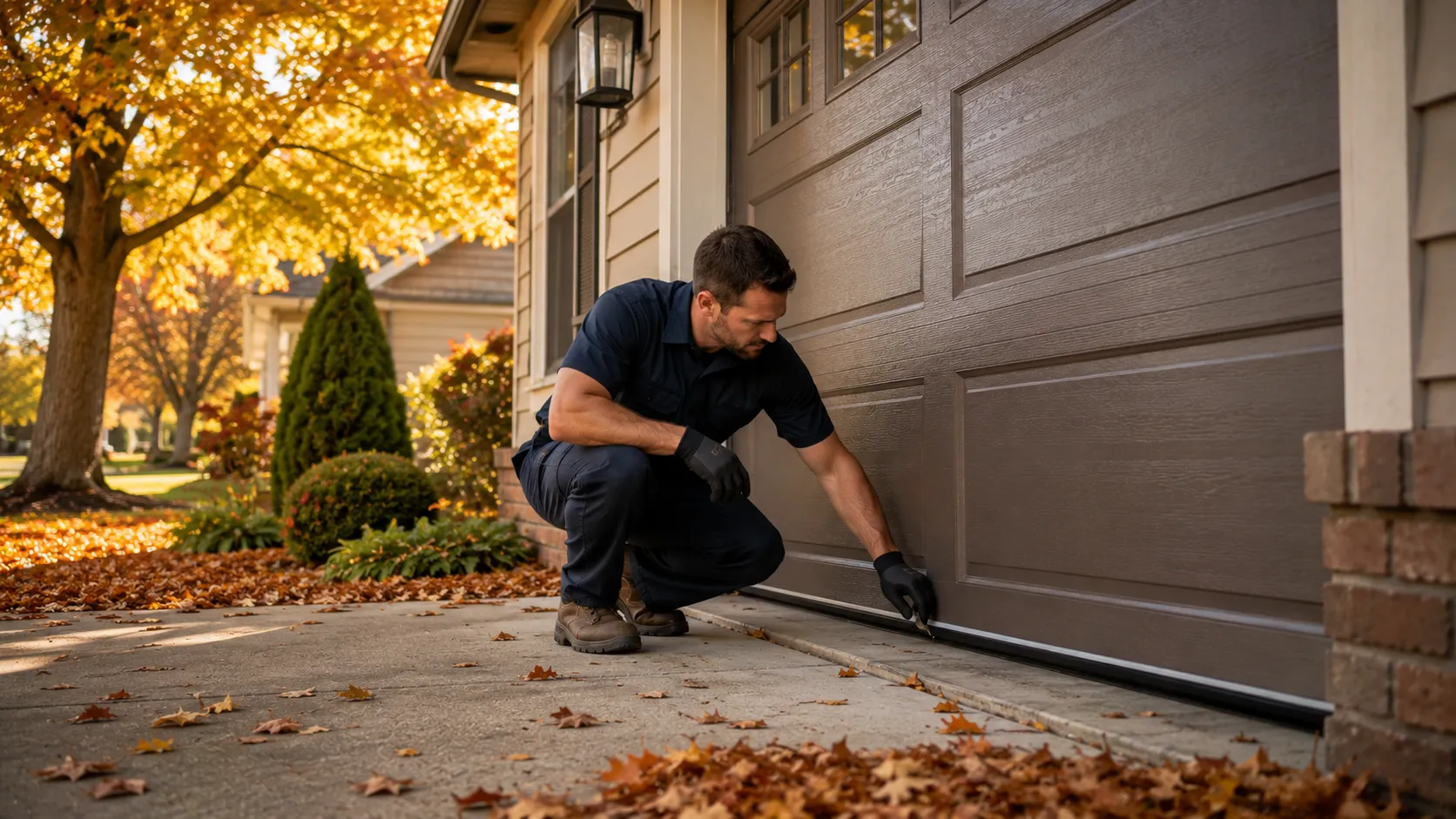
Nylon rollers stiffen and crack in deep cold, and old grease in the track thickens enough to drag the opener motor, which is why a door that worked fine in September can bind hard by February. He'll also check weatherstripping at the bottom panel, since a gap here lets cold air work on the spring and hardware from underneath all winter. On doors from the older end of the 1938-2009 range, steel panels can also show frost-driven rust at the seams where insulation was never added.
None of this is dramatic - it's slow wear that cold weather accelerates, and it's why the checklist here leans harder on spring tension and lubrication than it might in a milder climate.
The Cost of This Job
We don't quote a number until the tech has actually looked at the door, because the age spread in this area - houses from 1938 clear through 2009 - means two doors that look the same from the driveway can need very different parts. An older torsion setup might use spring sizes or drum styles that aren't stocked the way current hardware is, which adds time, not just parts cost. A newer door from the 90s or 2000s stock is more likely to take standard parts off the truck.
Household income in this area runs well above the national median, which tends to mean owners ask for the longer-lasting spring or the quieter opener rather than the cheapest fix, and that's a fair call on a door you'll use for another decade. What we won't do is quote a price sight unseen over the phone - spring size, drum type, and whether the track needs realignment all change the number, and guessing wrong either shortchanges the job or scares off a customer over a repair that turns out simple.
Leaving It Alone
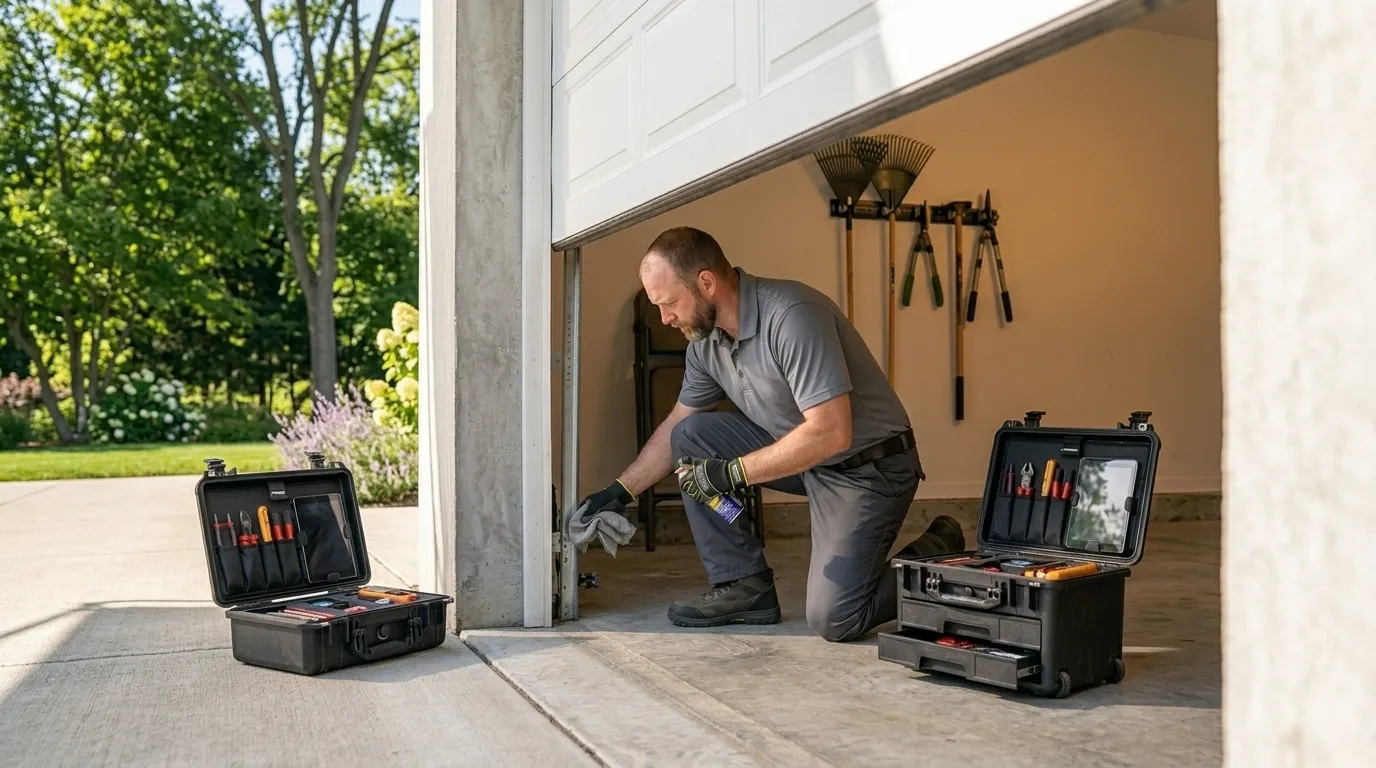
Not every noisy door needs a call. If the door is from the newer end of the local stock and the noise is just a dry roller, a shot of the right lubricant on the track and hinges solves it, and there's no reason to pay a truck fee for that. Where we tell people to stop and call is anything involving the spring itself - a visible gap in the coil, a door that won't stay up, or a cable that's frayed at the drum.
Those aren't jobs to test yourself, cold weather or not. The honest limit on our side: if a door is old enough that the panel steel has rusted through at the bottom or the track is bent beyond adjustment, we'll say so rather than patch it, because on hardware from the older end of this area's building years, chasing repairs on a dying door usually costs more over two years than replacing it once.
How We Can Help
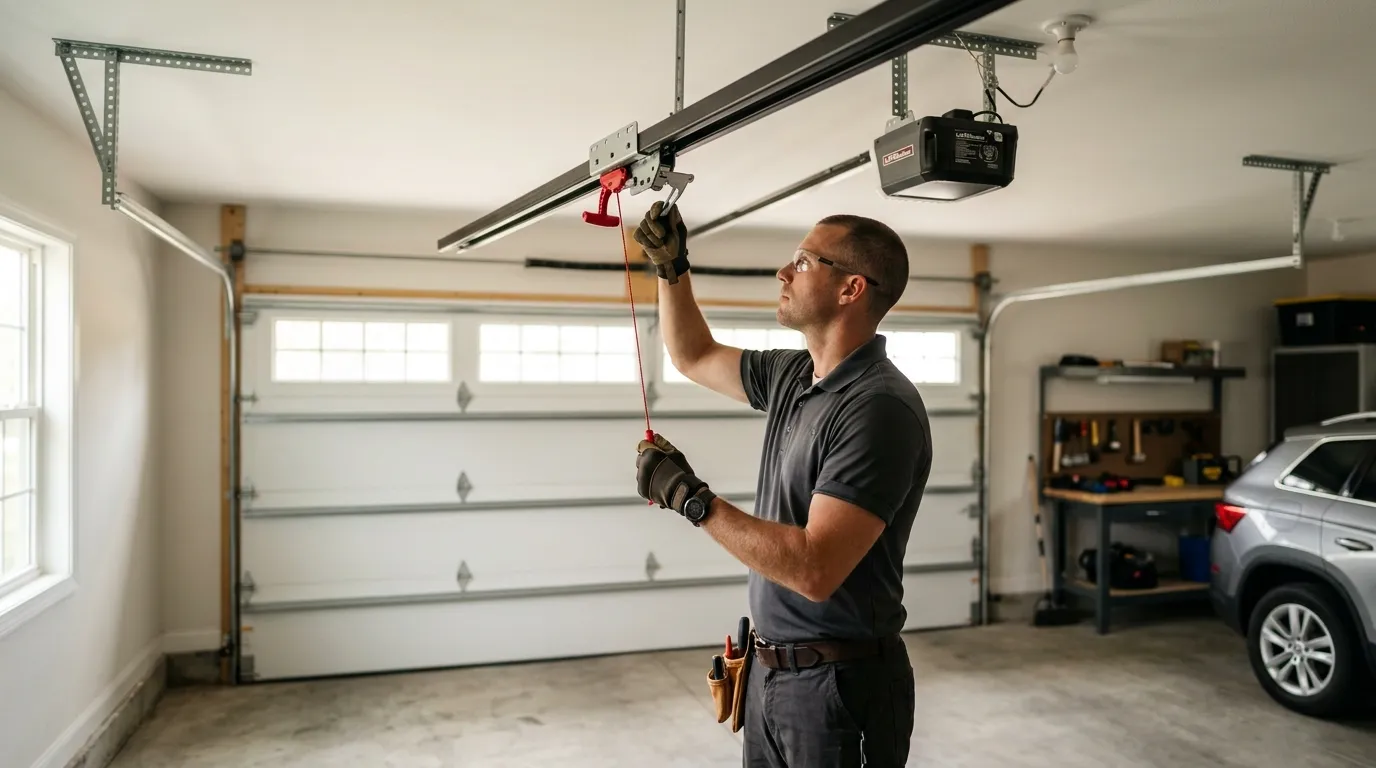
Garage Door Repair
Springs, cables, tracks, rollers, and openers fixed by a tech who explains the problem before touching anything.
Learn more →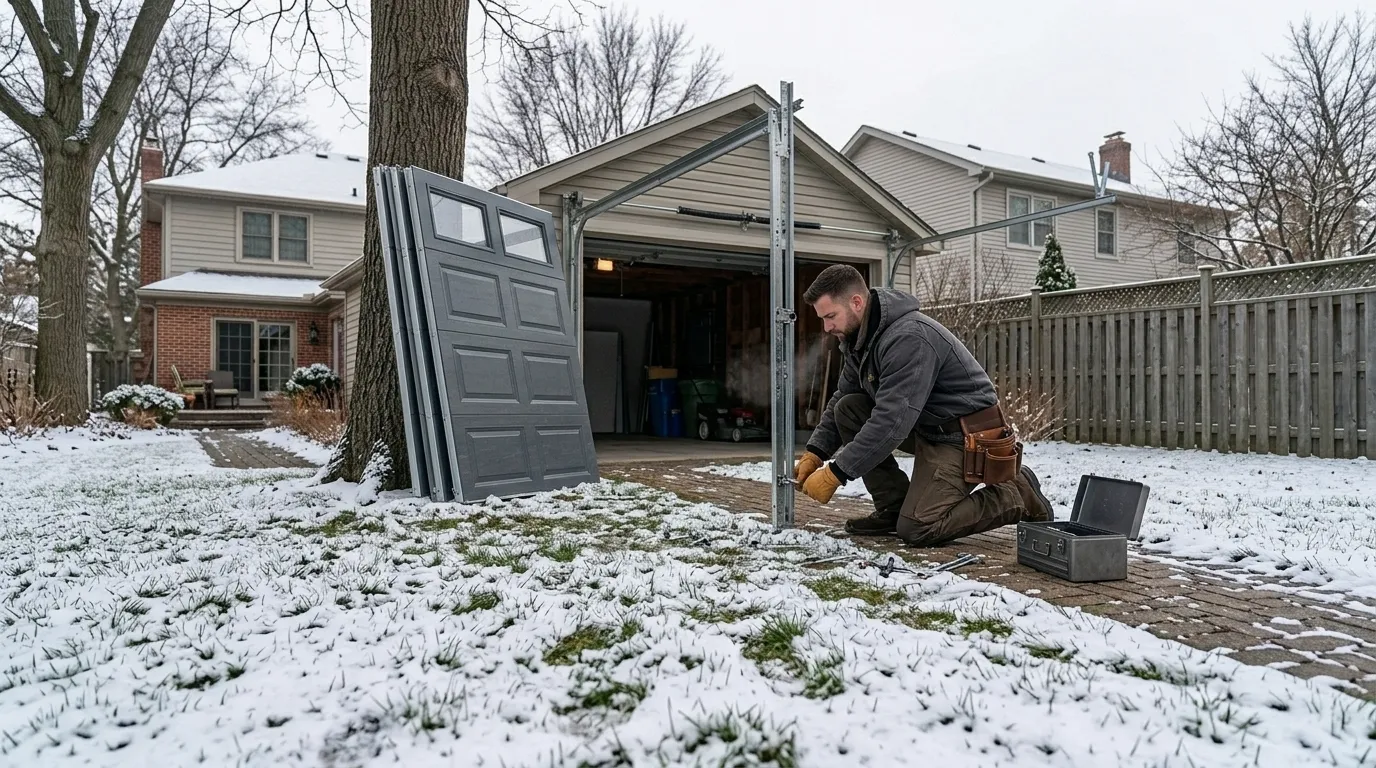
Garage Door Installation
New sectional doors sized and installed for the housing stock actually built in this area.
Learn more →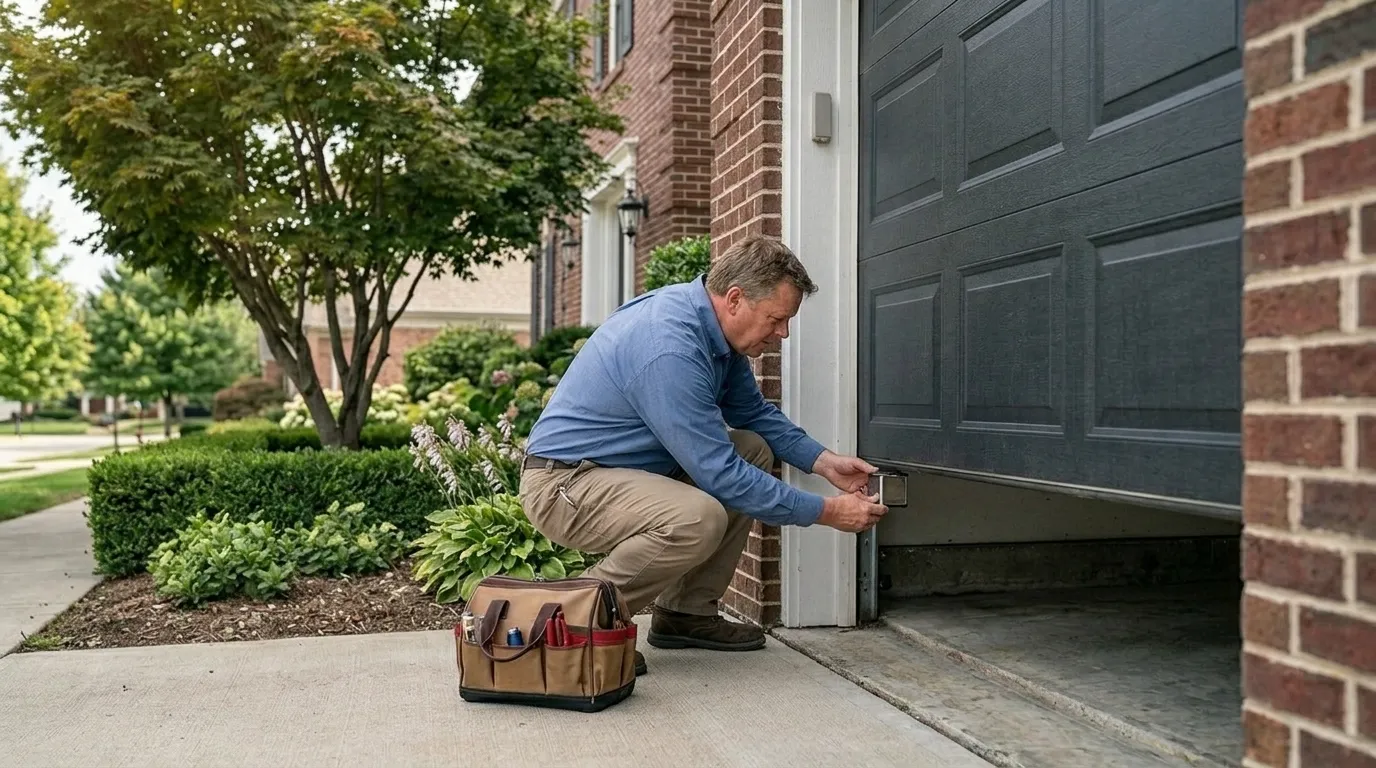
Garage Door Service
Tune-ups, lubrication, and safety checks that catch a small problem before it becomes a service call.
Learn more →Frequently Asked Questions
How do I know if it's the spring or the opener?
If the opener motor runs but the door barely moves, or moves and then reverses, that's almost always the spring, not the opener. A true opener failure usually means no motor sound at all, or the wall button doesn't respond. The tech confirms by hand-testing the door disconnected from the opener - a good spring holds the door steady at any height.
Does the cold really affect my garage door that much?
Yes. In this area's cold, severe winter band, steel springs lose tension faster and old track grease thickens enough to drag the opener motor. A door that ran fine in fall can bind or the spring can fail outright once temperatures drop for good, especially on older torsion hardware.
My house is from the 1980s - should I expect original parts?
It's common. A lot of the housing stock here dates to the 1980s and 90s, and many of those doors are still running an original or first-replacement spring and opener. That's not automatically a problem, but it means a tech checks wear against age rather than assuming newer parts.
Is it ever not worth fixing?
Yes. If the panel steel has rusted through at the bottom or the track is bent past adjustment, patching it usually costs more over a couple of years than replacing the door once. We'll say so rather than keep billing small repairs on a door that's done.
Have a Door That Needs a Second Opinion?
Call and describe what it is doing - we will tell you what it likely is.