
Palatine Garage Door Guide
Knowing When Another Repair Isn't Worth It
A look at when a Palatine garage door repair stops making sense, based on the area's 1938-2009 housing stock and severe cold winters that wear out springs and seals fast.
- Licensed & Insured
- Same-Area Service Calls
- Upfront Pricing
What Is Going On
Most of the calls we get come from houses built somewhere between 1938 and 2009, with the bulk of that stock going up in the 1980s and 90s. That matters because a door bought new in 1985 is now on its third or fourth spring, its second opener, and probably its original track hardware. Nothing on a garage door lasts forever, and when a house has been standing for 35-40 years, the door has usually outlived at least one of its major parts already.
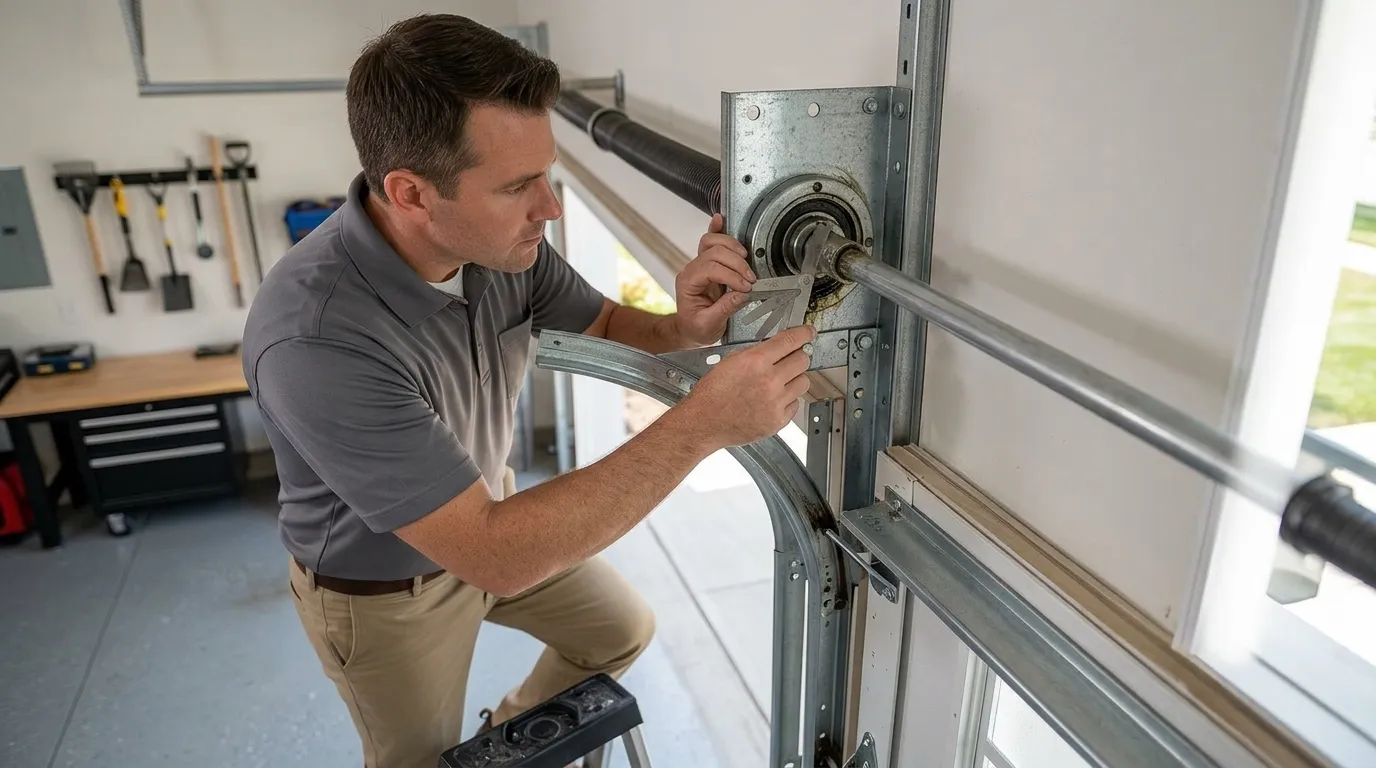
What we see most is a torsion spring that's been replaced once already, a track that's slightly bent from a bumped car years back, and rollers that were never upgraded from the steel ones the builder put in. None of that is a crisis on its own.
But when three or four of those things start failing in the same twelve months, you're not looking at a repair job anymore - you're looking at a door that's telling you it's done. The trick is telling the difference between a single worn part and a system that's aging out all at once.
Houses from the 1980s-90s wave across this area were mostly built to the same handful of builder specs, so the failure patterns repeat house to house. If your neighbor's door needed a full replacement at year 35, yours is on the same clock.
What the Weather Here Does to It
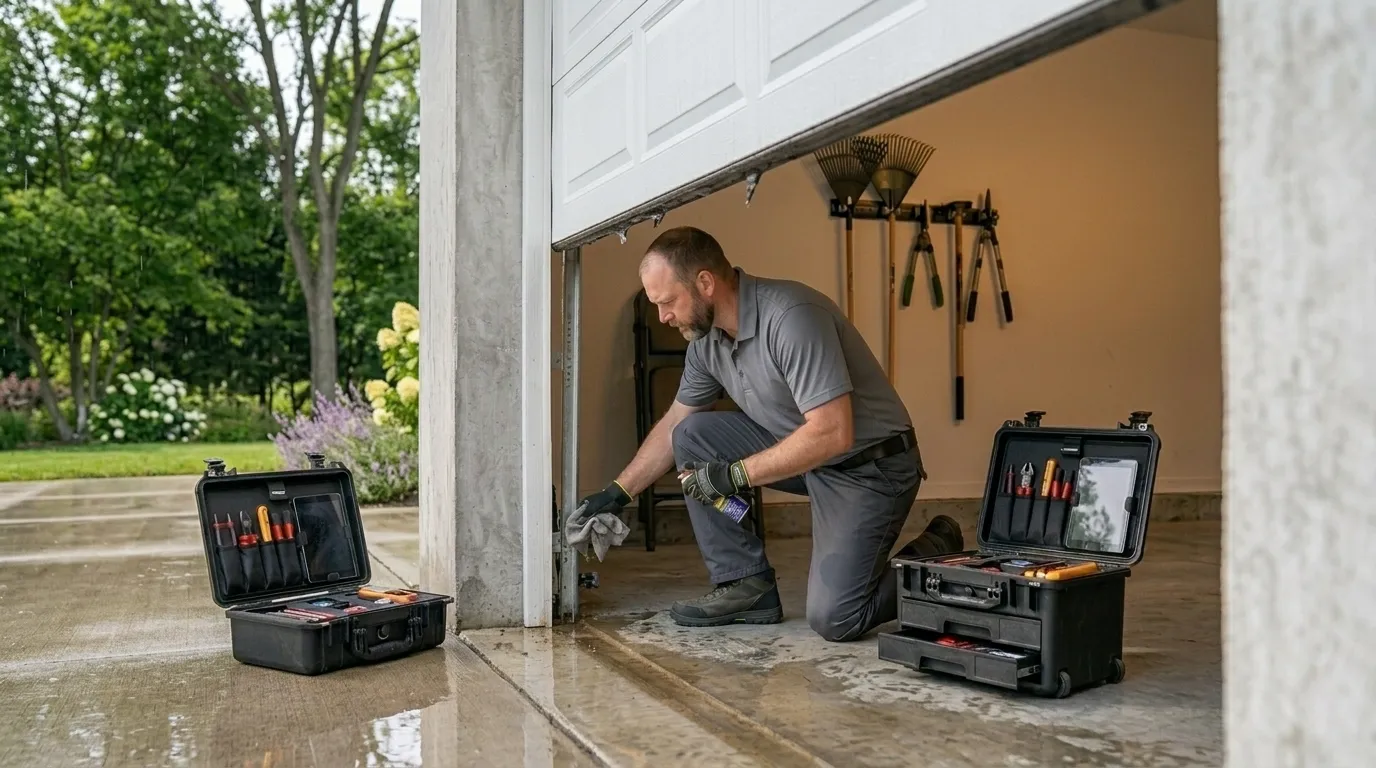
This area sits in a cold-severe climate band, and that's not a small detail when it comes to garage doors. Steel contracts in the cold, which means panels warp slightly at the seams, and the rubber bottom seal hardens and cracks faster than it would somewhere milder. Torsion springs lose tension a little differently in deep cold too - they don't snap more often, but they bind and stick, which puts extra load on the opener motor every time it lifts.
We see openers burn out gear sets in January and February more than any other months, and it's not coincidence. A door that's already got a bent track or a dragging roller works twice as hard once the temperature drops, and that's usually the point where a small annoyance turns into a dead door on the coldest morning of the year.
If your door has been sticking, groaning, or needing a shove to close for more than a season, the cold isn't going to fix that - it's going to finish the job the wear started. That's the honest read on why so many of our repair calls cluster in winter: the weather doesn't create the problem, it just exposes it.
The Cost of This Job
With a median household income of $110,844 across this service area and roughly 221,947 owner-occupied houses in the mix, most of the doors we work on belong to people who can afford to fix things properly rather than patch them. That changes the math on repair versus replace. A spring swap or a roller set is a small job.
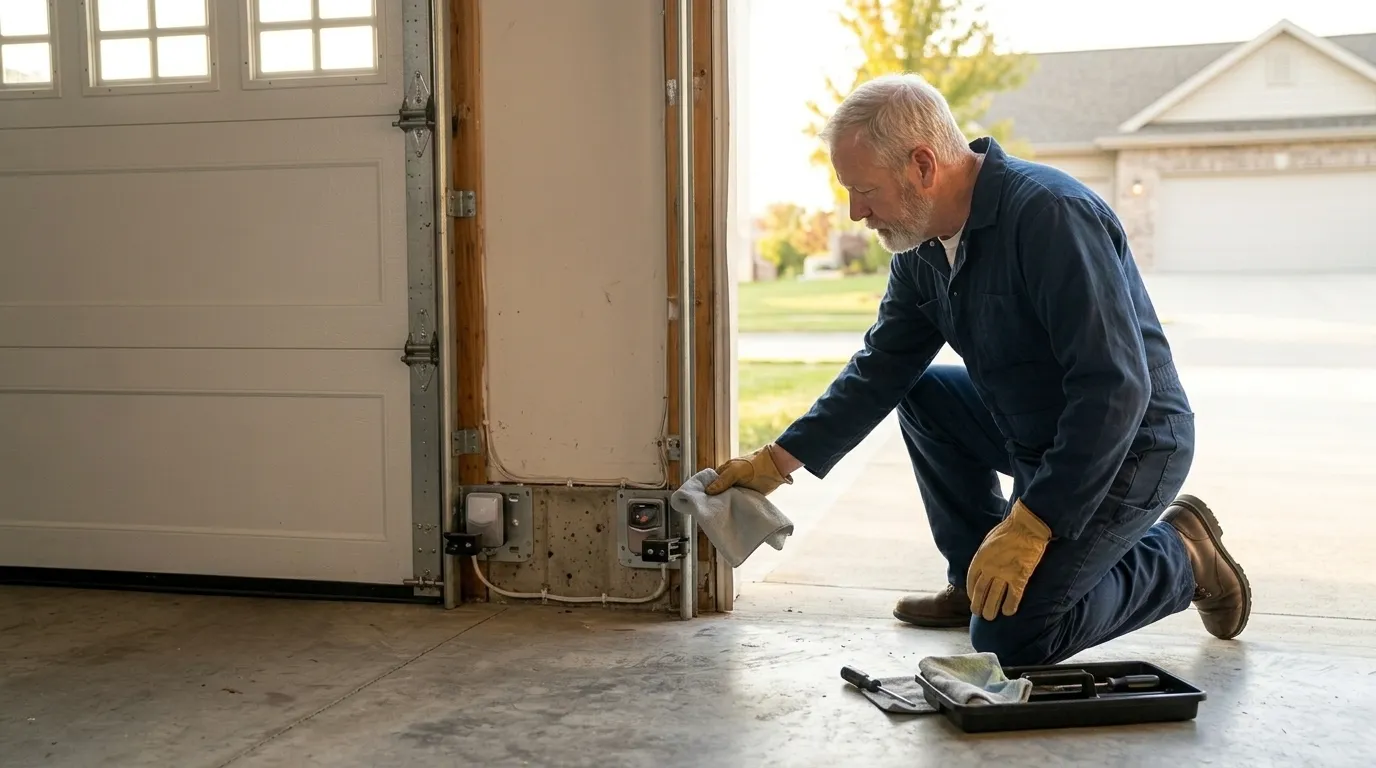
A new opener gear kit is a medium one. But once you're stacking two or three of those in a year on a door that's original to a house built in the 1980s or earlier, the running total starts to look like half of what a new door costs.
We won't quote a price here because it depends on the door, the springs, and what's actually failed - that's not a number we can give without seeing it. What we can say is that we look at the full picture before recommending another repair. If a door needs its third major part in two years, we'll tell you that plainly instead of selling you a fourth.
Leaving It Alone
Sometimes the right call is to do nothing yet. If a door is cosmetically rough - faded paint, a dented panel from years back, hardware that looks dated - but it opens, closes, and seals against the cold the way it should, there's no reason to touch it. We'd rather tell a homeowner to wait than talk them into work a door doesn't need.
The honest limitation here: we can't tell you how long a specific door has left just by its age. A door from the 1980s wave that's been maintained can easily outlast a newer one that's been neglected.
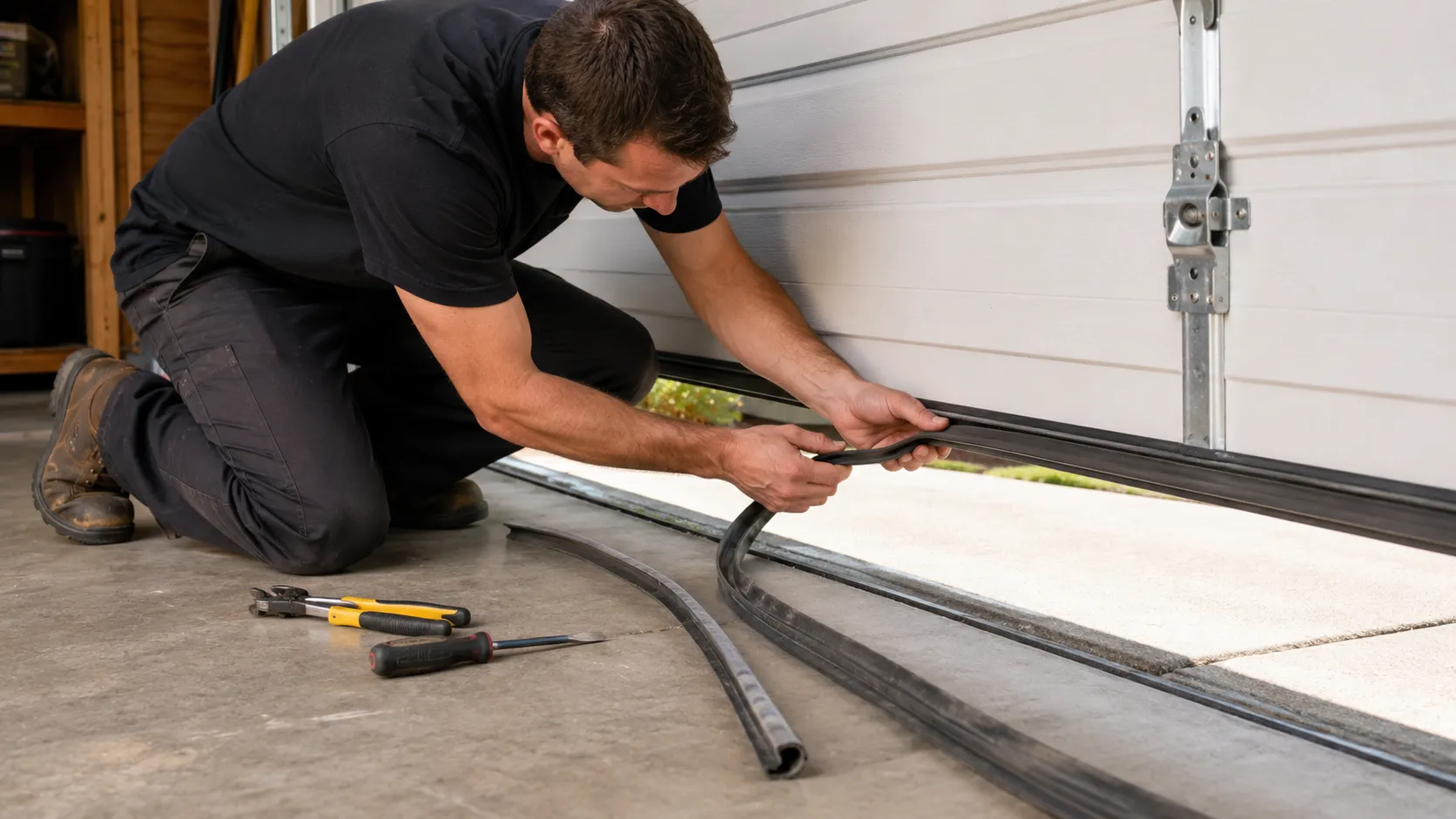
What we can tell you is what we see when we're standing in front of it - spring wear, track alignment, weatherstrip condition - and give you a straight answer instead of a sales pitch. In a cold-severe climate like this one, the doors that fail suddenly are almost always the ones nobody looked at all year.
How We Can Help
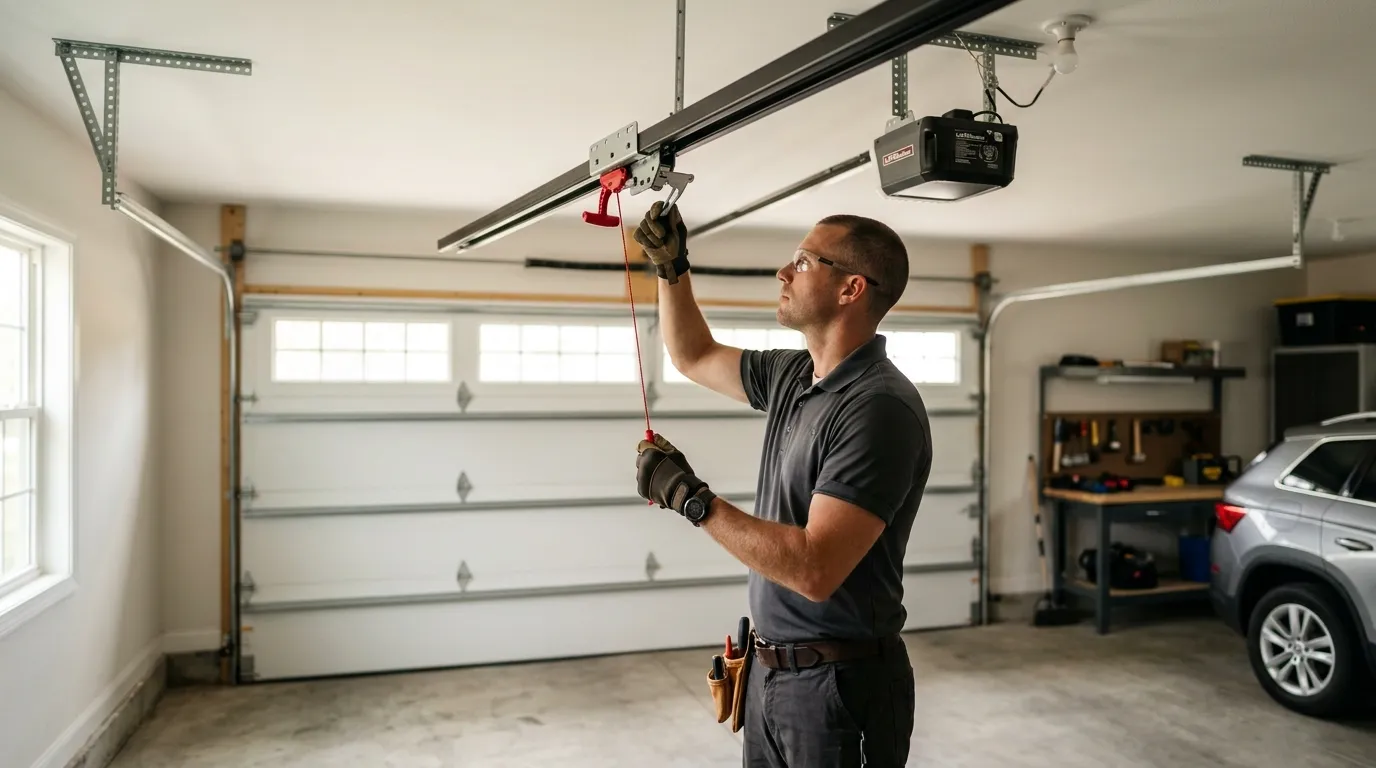
Garage Door Repair
Springs, cables, tracks, rollers, and openers fixed by a tech who explains the problem before touching anything.
Learn more →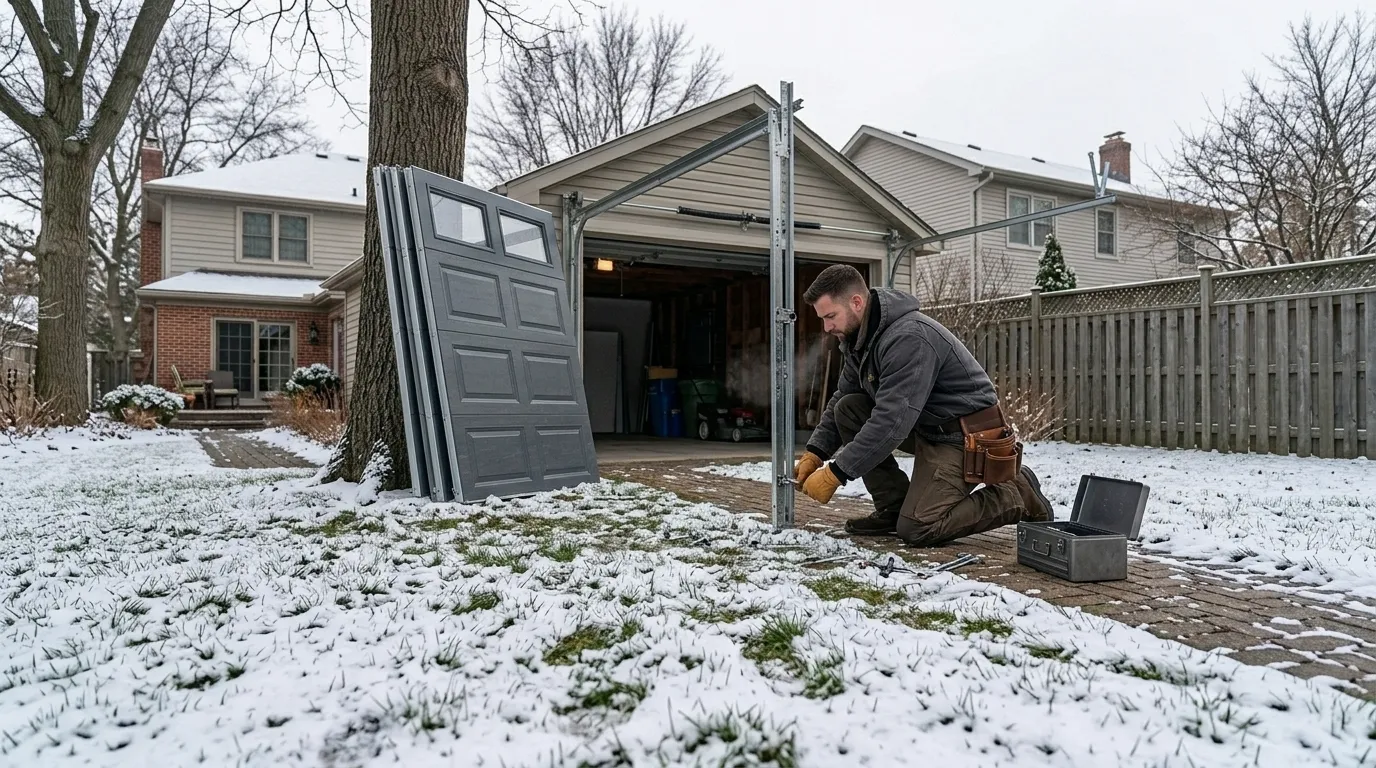
Garage Door Installation
New sectional doors sized and installed for the housing stock actually built in this area.
Learn more →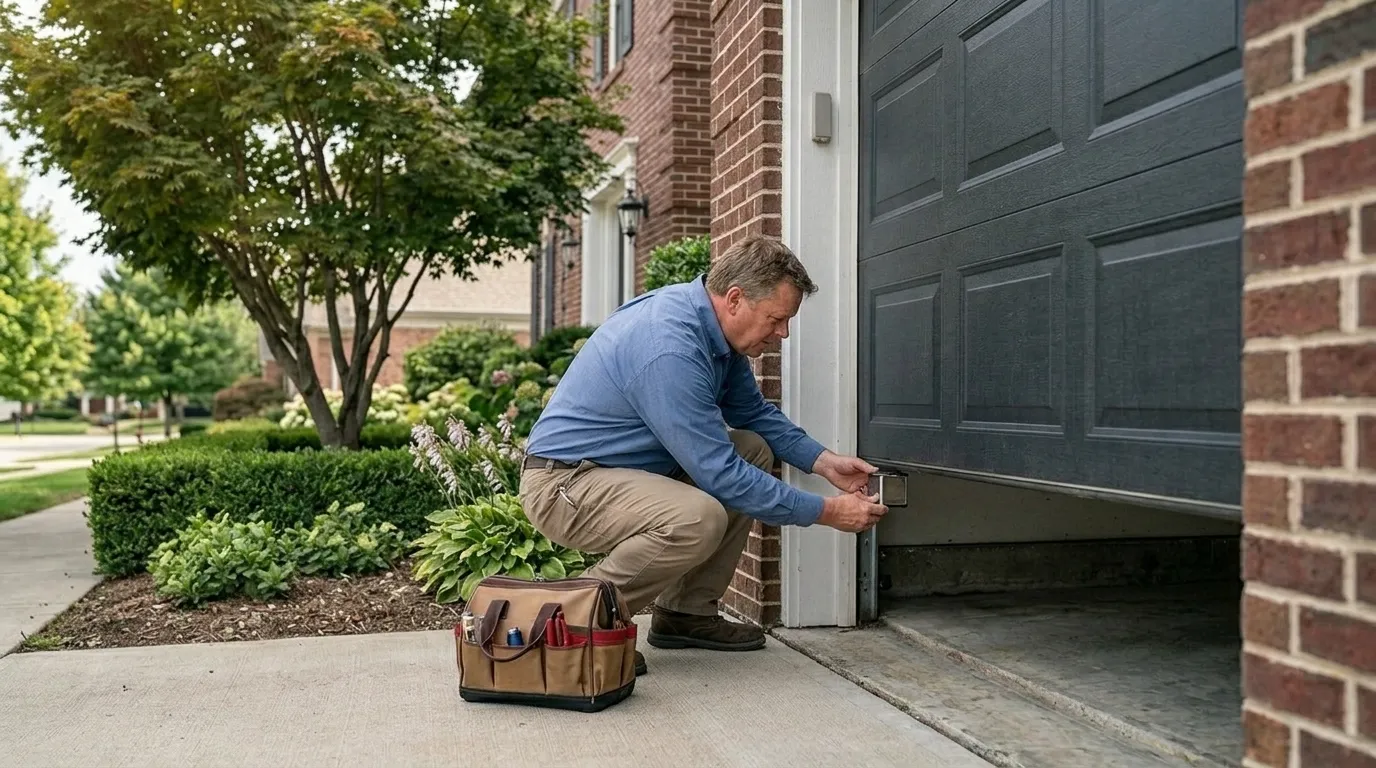
Garage Door Service
Tune-ups, lubrication, and safety checks that catch a small problem before it becomes a service call.
Learn more →Frequently Asked Questions
How do I know if my garage door is too old to keep fixing?
If it's original to a house built before the 1990s and you've already replaced the spring or opener once, a third repair in a short span usually means the door as a whole is aging out. We'll tell you honestly if a repair is a stopgap rather than a fix.
Does the cold weather here actually shorten a garage door's life?
Yes. In a cold-severe climate, steel panels contract, seals crack faster, and springs bind under load. Doors that are already worn tend to fail in the coldest months because the cold adds strain to parts that were already marginal.
Is it cheaper to keep repairing an old door than replace it?
Sometimes, but not always. One repair is usually the cheaper option. Multiple repairs in the same year or two on a door original to an older house often add up to a meaningful fraction of replacement cost, which is worth weighing honestly.
What's a sign my door just needs a repair, not a replacement?
A single failed part - a spring, a roller set, a sensor - on a door that otherwise opens smoothly and seals well is a normal repair. It's when several parts fail close together on an older door that replacement starts making more sense.
Have a Door That Needs a Second Opinion?
Call and describe what it is doing - we will tell you what it likely is.